
Understanding the 2400 BTU Mini Split System
The 2400 btu mini split system offers a smart and efficient solution for heating and cooling needs in a variety of settings, from residential homes to commercial spaces. Unlike traditional HVAC systems, mini splits provide both flexibility and efficiency, making them ideal for a range of applications. This guide will take you through the ins and outs of mini split systems, particularly focusing on the 2400 BTU capacity, which is well-suited for medium to large room sizes.
What is a Mini Split System?
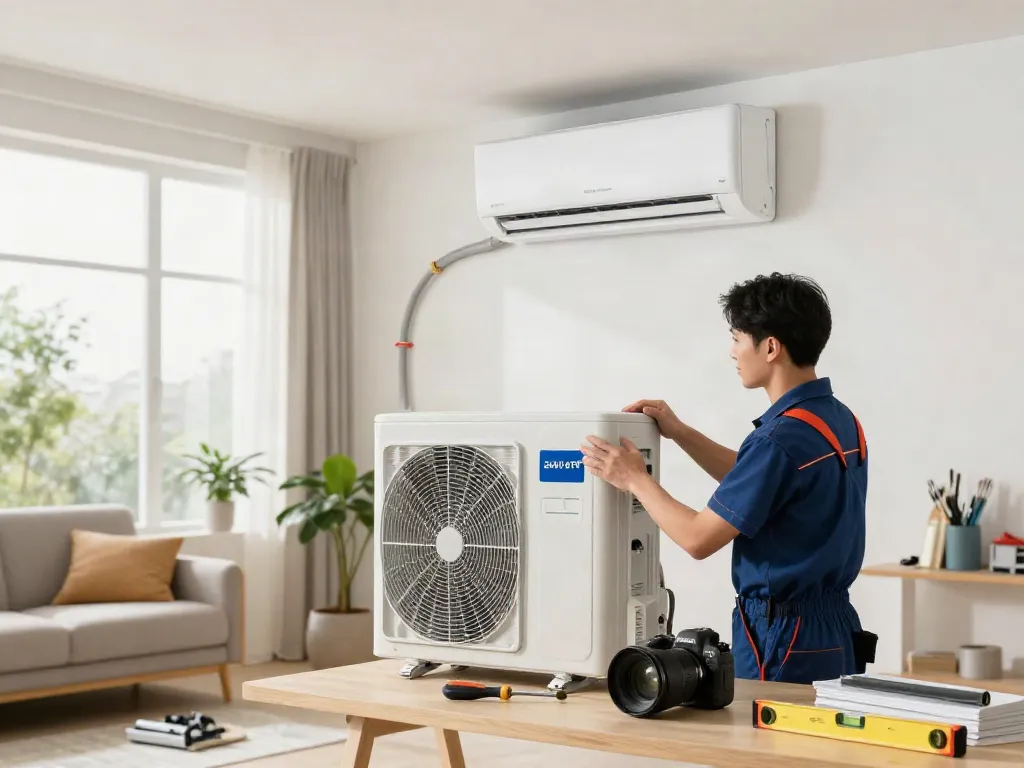
A mini split system is a ductless air conditioning and heating solution that consists of two main components: an outdoor compressor unit and one or more indoor air handling units. This design allows for independent control of the temperature in different areas of a building, promoting greater energy efficiency compared to central air conditioning systems. With capacities ranging from small sizes to larger units like the 2400 BTU, mini splits are capable of cooling and heating spaces without the need for ductwork.
Benefits of a 2400 BTU Mini Split
- Energy Efficiency: A 2400 BTU mini split system can efficiently manage the climate in spaces up to approximately 1,500 square feet. Many models feature inverter technology that adjusts the compressor speed based on the cooling or heating demand, leading to lower energy consumption.
- Flexibility in Installation: The ductless design allows for installation in a variety of locations, including rooms without existing ductwork. Indoor units can be mounted high on walls or ceilings, providing unobtrusive operation.
- Improved Indoor Air Quality: These systems often include filtration systems that reduce allergens and pollutants, contributing to a healthier indoor environment.
- Quiet Operation: Compared to traditional HVAC systems, mini splits generally operate at lower noise levels, enhancing comfort without the constant hum of fans and compressors.
Key Features to Consider When Buying
When selecting a 2400 BTU mini split system, it's essential to consider several key features:
- SEER Rating: The Seasonal Energy Efficiency Ratio (SEER) rating indicates the efficiency of the cooling operation. Look for models with a higher SEER rating for long-term savings.
- Heating Capacity: Ensure the heating capacity meets your needs, particularly if you live in colder climates where heating is essential.
- Noise Levels: Check the decibel rating of the indoor units to ensure they will not disrupt your comfort or activities.
- Smart Features: Many modern mini splits come equipped with smart technology that allows for remote operation via smartphone apps and integration with smart home systems.
Installation Insights for Your 2400 BTU Mini Split
Understanding the installation process for a 2400 BTU mini split is crucial for achieving optimal performance and efficiency. Whether you opt for professional installation or consider a DIY approach, knowing the steps involved can help ensure a successful setup.
Professional vs. DIY Installation
While some homeowners may feel comfortable installing a mini split system themselves, hiring a professional can save time and ensure that the system operates correctly. Professionals have the expertise to handle refrigerant, adhere to local codes, and provide insights that can enhance performance. On the other hand, if you are skilled in plumbing and electrical work, a DIY installation could reduce costs, but it requires careful planning and execution.
Essential Tools and Preparation
For those taking on the DIY route, here are some essential tools you’ll need:
- Drill and bits
- Level
- Refrigerant gauge
- Copper tubing and insulation
- Electrical tools (wire strippers, crimpers)
Preparation is key: read the installation manual thoroughly, gather all necessary permits, and ensure you have the right climate conditions for installation.
Step-by-Step Installation Guide
- Select the Installation Location: Identify the best position for both the indoor and outdoor units. Indoor units should be placed where airflow is unobstructed while outdoor units should be positioned for optimal ventilation.
- Mount the Indoor Unit: Use a mounting bracket and secure it to the wall, ensuring it's level.
- Drill a Hole for the Lines: Drill a hole through the wall for the refrigerant line, drain line, and electrical wiring.
- Connect the Lines: Run the refrigerant lines and connect them to the indoor unit, ensuring proper insulation.
- Install the Outdoor Unit: Secure the outdoor unit on a stable base and connect the refrigerant lines, power wire, and drainage line.
- Test the System: Once everything is connected, turn on the system to verify that it is working properly without any leaks.
Optimizing Performance of Your Mini Split
Regular Maintenance Practices
To maintain efficiency, regular maintenance is essential. This includes cleaning or replacing filters every 1-3 months, inspecting the outdoor unit for debris, and ensuring that the installation remains level and secure. Scheduling annual professional check-ups can help identify potential issues early.
Energy Efficiency Tips for Homeowners
Here are some tips to maximize the energy efficiency of your mini split system:
- Set the Right Temperature: Keeping the temperature differential moderate (around 5 degrees from the outside temperature) can conserve energy while maintaining comfort.
- Utilize Smart Features: Take advantage of programmable settings or smartphone apps to optimize usage when you're home or away.
- Seal Leaks: Ensure that doors and windows are properly sealed to prevent heat transfer, making your heating and cooling more effective.
Common Issues and Troubleshooting
While mini split systems are generally reliable, homeowners may encounter issues like poor airflow or inconsistent temperatures. Common troubleshooting steps include:
- Checking and replacing filters.
- Inspecting refrigerant levels.
- Verifying that the remote control is functioning correctly.
- Ensuring that the outdoor unit is free from obstruction.
Cost Considerations and Value
Initial Investment vs. Long-Term Savings
Investing in a 2400 BTU mini split system can seem significant at first, but when calculated against long-term energy savings and enhanced comfort, the benefits often outweigh the initial costs. Many homeowners see a return on investment within a few years due to reduced utility bills.
Cost-Effective Models Available in 2026
As the market grows, several competitive models are emerging in 2026 that offer budget-friendly options without compromising efficiency. Brands like Daikin, Mitsubishi, and LG are known for reliable systems with strong customer satisfaction ratings and feature-rich designs.
Financing Options for Homeowners
Many retailers and manufacturers offer financing options to make the upfront costs more manageable. This includes payment plans, credit options, or even rebates for energy-efficient installations.
Future Trends in Mini Split Technology
Advancements in Energy Efficiency and Sustainability
As technology advances, mini split systems are becoming increasingly energy-efficient with improvements in SEER ratings. Look for systems that use environmentally friendly refrigerants and feature high efficiency for both cooling and heating.
Smart Home Integration Features
With the rise of smart homes, many new models are incorporating Wi-Fi connectivity, allowing homeowners to control their heating and cooling settings remotely, set timers, and integrate with other smart devices.
Market Predictions for 2400 BTU Mini Splits by 2026
The market for 2400 BTU mini split systems is expected to continue to grow, driven by consumer demand for energy-efficient and flexible climate control options. As awareness increases regarding sustainable building practices, more homeowners are likely to choose these systems over traditional heating and cooling methods.
What is the ideal room size for a 2400 BTU mini split?
The ideal room size for a 2400 BTU mini split is typically around 1,000 to 1,500 square feet, making it suitable for medium to large rooms or open-concept areas.
How does a mini split compare to central air conditioning?
Unlike central air conditioning, which relies on ductwork and a centralized system, mini splits offer individual control for each space, greater energy efficiency, and easier installation. This makes them a more flexible option for many homeowners.
What maintenance do I need for my mini split system?
Regular maintenance includes cleaning or replacing filters, checking refrigerant levels, ensuring drainage is clear, and scheduling annual professional inspections to maintain efficiency.
How energy efficient are 2400 BTU mini split systems?
Most 2400 BTU mini split systems have high SEER ratings, often exceeding 16, which indicates excellent energy efficiency compared to traditional HVAC systems.
What are the best brands for 2400 BTU mini splits?
Some of the top brands for 2400 BTU mini splits include Mitsubishi, Daikin, LG, and Senville, known for their reliability, efficiency, and innovative features.