
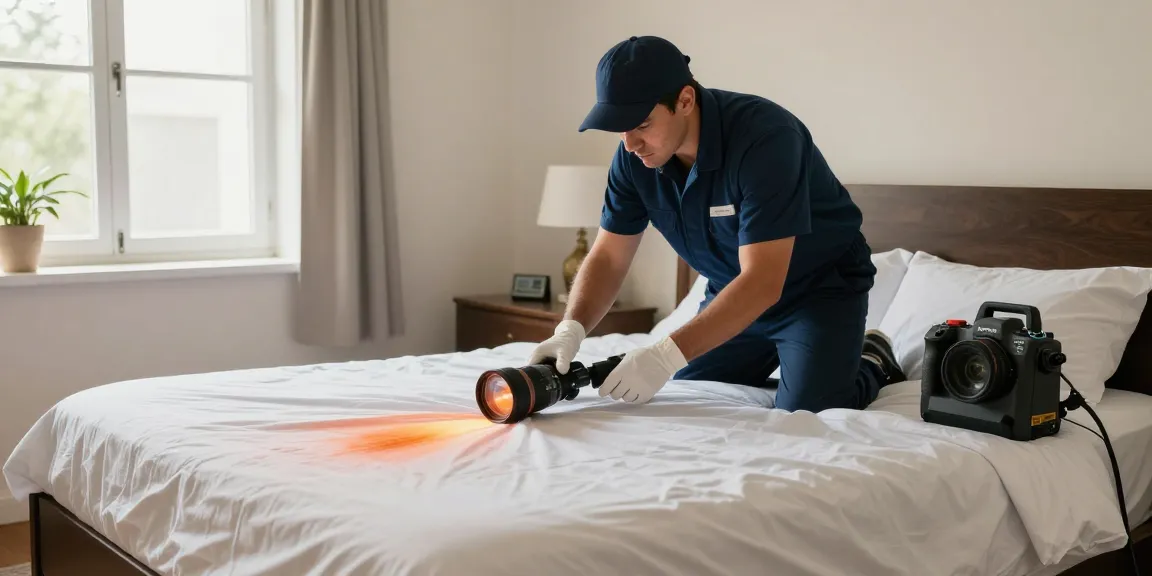
Understanding Bed Bug Infestations
Bed bugs, scientifically known as Cimex lectularius, are small, elusive pests that can disrupt your peace and comfort at home. These nocturnal insects feed primarily on human blood, often going unnoticed until their presence becomes severe. In cities like Milwaukee, understanding the nature of bed bug infestations is crucial for effective control and prevention. As a homeowner or renter, knowing the signs of an infestation, the life cycle of these pests, and the potential causes can empower you to act swiftly. For those seeking effective treatment options, bed bug pest control services are available to help reclaim your home from these unwelcome guests.
What Causes Bed Bug Infestations?
Bed bug infestations can arise from various sources, often without the homeowner’s awareness. Common causes include:
- Travel: Bed bugs can hitch a ride on luggage, clothing, or other personal items from hotels, motels, or public transportation.
- Used Furniture: Purchasing second-hand furniture, especially mattresses, can introduce bed bugs into your home.
- Shared Spaces: Apartments or homes with shared walls can facilitate the movement of bed bugs between units, making infestations more likely in densely populated areas.
Common Signs of Bed Bug Presence
Early detection is vital in managing bed bug infestations effectively. Signs include:
- Itchy Bites: Bites that appear in a line or cluster are a common indication of bed bugs.
- Blood Stains: Small bloodstains on bed linens or mattresses can indicate been feeding.
- Exoskeletons: As bed bugs mature, they shed their skin, which can often be found in hiding spots.
- Dark Spots: Fecal matter, or tiny dark spots, may appear on bedding or furniture.
The Life Cycle of Bed Bugs
Understanding the life cycle of bed bugs can aid in their management:
- Egg Stage: A female bed bug can lay up to seven eggs per day, which hatch in about a week.
- Nymph Stage: After hatching, bed bugs go through five nymph stages before reaching maturity, feeding at each stage.
- Adult Stage: Mature bed bugs can survive for months without feeding, making eradication challenging.
Choosing the Right Bed Bug Pest Control Method
When dealing with a bed bug infestation, selecting an appropriate control method is crucial. Both heat and chemical treatments can be effective depending on the severity of the infestation and specific circumstances.
Heat Treatment vs Chemical Treatment
Heat treatment involves raising the temperature of an infested area to a level lethal to bed bugs, effectively killing them at all life stages, including eggs. This method is eco-friendly and minimizes chemical exposure. However, it requires thorough preparation and can be labor-intensive.
In contrast, chemical treatments provide a lasting residual effect that can protect against re-infestation for up to 120 days. Chemicals typically target adult bed bugs, nymphs, and eggs. Nonetheless, full preparation is often necessary for optimal results. While heat treatment is immediate, chemical treatment can offer prolonged protection, making it a reliable option for many.
Evaluating DIY vs Professional Services
While some may consider DIY methods, professional pest control services are often more effective for established infestations. DIY products typically fail to penetrate deep into hiding spots, leaving many bugs behind. Moreover, professionals utilize commercial-grade treatments that provide a level of assurance that DIY methods cannot match.
Identifying Effective Bed Bug Products
For those opting for the DIY route, it is crucial to select products designed for complete bed bug elimination. Look for:
- Residual Sprays: Products that leave a lasting barrier can help prevent re-infestation.
- Bed Bug Interceptors: These are traps placed under furniture legs to catch bed bugs as they travel.
- Heat Devices: There are portable heaters that can be used for smaller items like luggage or clothing.
Preparing Your Home for Treatment
Effective bed bug pest control requires preparation. The following steps can ensure that treatments work optimally:
Essential Steps Before Pest Control Services
Before treatment, it is vital to declutter the affected areas. This includes:
- Removing personal items like clothing and toys to allow better access for treatment.
- Laundering bedding and clothing at high temperatures to kill any remaining bugs.
- Vacuuming thoroughly to remove visible bugs and eggs.
How to Organize Your Space for Maximum Effectiveness
Organizing your home can enhance treatment effectiveness. Consider the following:
- Keep furniture away from walls to create an open space for the exterminator.
- Seal off personal items in plastic bags to prevent spreading bugs during treatment.
- Follow the pest control professional’s instructions regarding what to move or cover.
Understanding Safety Precautions
Safety is paramount during treatment. Ensure:
- Pet and human occupants are safely relocated during chemical treatments.
- The area is well-ventilated if applying any chemicals.
- To follow all safety guidelines provided by the pest control service.
Post-Treatment Strategies for Bed Bug Prevention
Even after treatment, vigilance is key to preventing a recurrence of bed bugs. Here’s how to stay proactive:
How to Monitor for Re-infestation
Regular checks can help catch early signs of bed bugs. Use the following strategies:
- Inspect your bedding and mattresses frequently.
- Keep an eye out for unusual bite patterns on your skin.
- Consider using bed bug monitors or traps around your sleeping area.
Best Practices for Maintaining a Bed Bug-Free Home
To maintain a bed bug-free environment, implement these best practices:
- Regularly vacuum and clean your home, particularly around sleeping areas.
- Avoid buying second-hand furniture without inspecting it first.
- Be cautious when traveling; inspect hotel rooms and use protective encasements on luggage.
Educating Yourself on Bed Bug Habits
Understanding bed bug behavior can help you recognize early signs of an infestation. Some critical habits include:
- They prefer to stay within an 8-foot radius of their food source.
- Bed bugs are mostly active at night but can adapt to feed during the day.
- They can survive for months without feeding, making them resilient pests.
Real-World Success Stories of Bed Bug Extermination
Successful pest control stories can provide valuable insights into effective treatments. Here are compelling examples of success:
Case Studies of Effective Pest Control
One notable case involved 22 apartments treated successfully over a span of several months. Despite the challenging conditions, the residual effects of the chemical treatment ensured a sustained impact, eliminating bed bugs long after the initial application.
Customer Testimonials on Service Satisfaction
Customers have reported high satisfaction with the services provided by bed bug exterminators in Milwaukee. Many highlight the professional approach and effective results of their treatments, emphasizing peace of mind after successful eradication.
Future Trends in Bed Bug Pest Control
As pest control technology advances, the future may see more innovative solutions, including enhanced heat treatments and non-toxic chemical options. Staying informed about emerging trends can help consumers make better choices against bed bugs.
FAQs
Can you get rid of bed bugs with pest control?
Yes, professional pest control services are usually required to eliminate bed bug infestations effectively, as multiple treatment phases may be necessary for complete eradication.
What 100% kills bed bugs?
Heat treatment is often regarded as the most effective option for killing bed bugs at all life stages, including eggs. Chemicals alone may not guarantee complete eradication.
How long does bed bug pest control last?
Chemical treatments can offer lasting protection against re-infestation for up to 120 days, depending on the specific products used and the severity of the infestation.
Are chemical treatments safe for pets?
While many chemical treatments are designed to be safe, it’s essential to follow the pest control service’s guidelines regarding pet safety during and after treatment.
What should I do after treatment?
Post-treatment, monitor for any signs of bed bug activity, keep your living space clean, and avoid reintroducing potential sources of infestation.