The Advantages of Flooring LVP
Understanding the Material Properties
Flooring LVP, or luxury vinyl plank, is a high-quality flooring option that has gained immense popularity due to its superior characteristics. Made primarily from PVC, an extremely durable material, LVP provides a high level of resilience and flexibility. Unlike traditional vinyl flooring, LVP is specifically designed to mimic the appearance of natural materials, such as hardwood and stone, making it a stunning choice for any interior.
The makeup of LVP typically includes a backing layer, a core layer for structure, a design layer for aesthetics, and a clear protective layer that contributes to its durability. These multiple layers come together to create a flooring solution that can withstand heavy foot traffic, resist scratches, and even repel water. This is particularly advantageous for areas prone to moisture, such as kitchens and bathrooms. To explore specific types of flooring lvp, consider factors such as thickness, texture, and overall design.
Why Choose Flooring LVP Over Traditional Flooring?
Choosing flooring LVP over traditional options such as hardwood or ceramic tiles presents numerous benefits that cater to modern needs. First and foremost, LVP offers a cost-efficient alternative without compromising aesthetic appeal. While hardwood can be expensive and susceptible to warping, LVP is budget-friendly and designed to resist moisture and spills, making it the ideal choice for busy households.
Moreover, the ease of installation associated with flooring LVP is a significant advantage. Unlike traditional hardwood flooring, which typically requires a professional installer, LVP can often be installed as a DIY project, thanks to its click-lock installation method. This means less time and money spent on professional labor costs. Additionally, LVP provides excellent sound insulation properties compared to tile or hardwood, translating to a more comfortable living environment.
Long-lasting Durability and Maintenance
One of the standout features of flooring LVP is its longevity. The materials used in its construction make it an incredibly durable option, meaning it can withstand the rigors of daily life, including heavy foot traffic, pets, and spills. This durability is further enhanced by its top layer, which often includes a UV-cured finish to combat fading from sunlight.
Maintenance is another simplified aspect with flooring LVP. With a simple regimen of sweeping and occasional mopping, LVP can retain its appearance for years without the need for refinishing or extensive upkeep. This low-maintenance requirement not only saves homeowners time but also reduces the overall cost of ownership. In essence, flooring LVP is designed with both durability and ease-of-care in mind, making it a practical choice for any setting.
Ideal Spaces for Flooring LVP Installation
Residential Settings and Design Inspiration
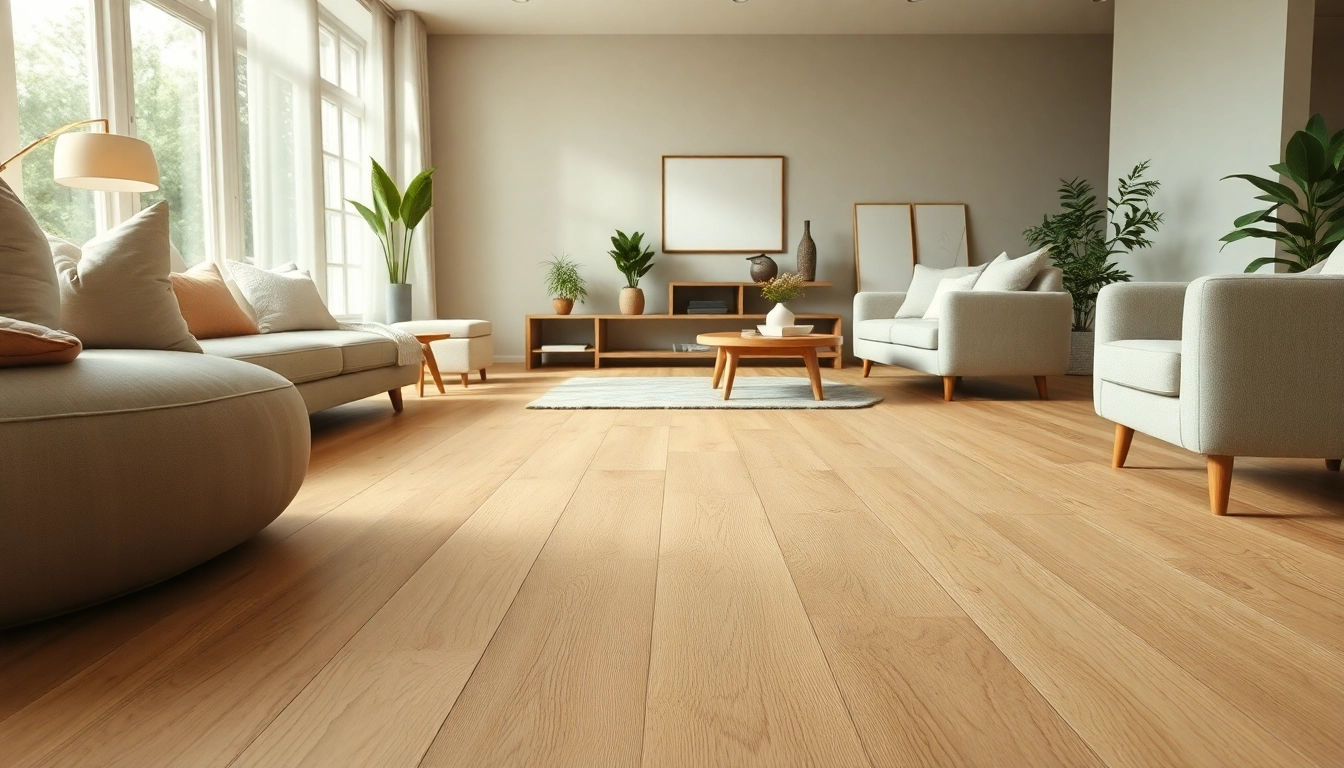
When it comes to residential spaces, flooring LVP provides an array of design possibilities. Its versatility allows it to complement various interior styles, from modern minimalist to rustic farmhouse. In living areas, LVP can evoke the richness of hardwood without the associated costs or maintenance. Bedrooms benefit from the warmth and comfort LVP offers, making them inviting spaces for relaxation.
Color and pattern options also introduce exciting design variations. Light tones create an airy feel, while darker hues add intimacy and depth. Additionally, the ease of mixing and matching flooring LVP with area rugs and furniture helps in personalizing your space, reflecting individual taste and style.
Commercial Applications and Benefits
The commercial world has also embraced flooring LVP due to its robust nature and aesthetic appeal. Businesses such as restaurants, offices, and retail spaces benefit from the elegant appearance of LVP combined with its practical advantages. Its resistance to scratches and stains makes LVP particularly suited for high-traffic areas, ensuring that the flooring remains pristine in the face of daily challenges.
Moreover, LVP can also contribute to the overall branding of a business. With various styles available, companies can select flooring that enhances their brand image while providing a welcoming environment for customers. This is particularly crucial in sectors focused on customer experience, where aesthetics can significantly influence overall impressions.
Creating the Perfect Ambiance in Your Home
To create a harmonious ambiance in your home, consider how flooring LVP can play a pivotal role in your overall design strategy. The right choice of color, texture, and pattern can enhance the mood of each space. For instance, lighter shades can brighten up darker rooms, while warmer tones can create cozy, inviting atmospheres.
In addition to visual considerations, the tactile properties of LVP contribute to the feel of a space. The soft and warm surface can enhance comfort underfoot, making it an appealing choice for family spaces or children’s rooms. Further, the right pairing with furniture and decor can result in a seamless integration that ties the entire design together.
Installation Process for Flooring LVP
Preparing Your Space for Installation
Before diving into the installation of flooring LVP, proper preparation of the space is essential for achieving the best results. First, ensure that the subfloor is clean, dry, and level. Removing old flooring and thoroughly cleaning the area will help in creating the ideal foundation for the new LVP.
Consideration of acclimation is also crucial. LVP should be allowed to sit in the installation area for at least 48 hours before putting it down. This helps the material adjust to the room’s temperature and humidity levels, preventing possible expansion or contraction after installation.
Step-by-Step Installation Guide
Installing flooring LVP can be accomplished in a series of straightforward steps:
- Gather Tools and Materials: Ensure you have all necessary tools, including a utility knife, measuring tool, tapping block, and spacers.
- Measure the Room: Carefully measure the floor area to determine how much LVP is needed.
- Cut the Planks: Use a utility knife to cut the planks to the desired size, especially at edges and corners.
- Begin Installation: Start in a corner and lay the first plank down, tapping it into place using a tapping block to avoid damaging the edges.
- Continue Laying Planks: Proceed with the next planks, ensuring they fit snugly, and use spacers to maintain a gap along the walls.
- Finishing Touches: Once all planks are laid, install baseboards to finish the look, ensuring the space appears polished and complete.
Common Mistakes to Avoid
Even with straightforward installation, there are common pitfalls to watch for:
- Neglecting Acclimation: Failing to acclimate LVP can result in buckling after installation.
- Inaccurate Measurements: Double-checking your measurements helps to avoid wasted materials and frustrations during installation.
- Insufficient Subfloor Preparation: Ensure that the subfloor is level and clean; otherwise, it can lead to uneven wear and potential damage to the LVP.
Maintenance and Care for Flooring LVP
Daily Cleaning Tips for Longevity
To maintain the beauty and longevity of your flooring LVP, establish a daily cleaning routine. Regularly sweeping or vacuuming removes dirt and debris, preventing scratches on the surface. For deeper cleaning, a damp mop with water or a gentle cleaning solution specifically formulated for vinyl is recommended.
It’s advisable to avoid using abrasive cleaners or scrubbing pads, as these can harm the protective layer and diminish the floor’s shine. Preventative measures, such as placing mats at entryways, can also significantly reduce wear and tear.
Specific Products Recommended for Care
Selecting the right cleaning products is vital for preserving the integrity of your flooring LVP. Look for pH-neutral cleaners, as they are formulated to effectively clean without damaging the floor layers. Additionally, specialized vinyl flooring maintenance products can provide further protection and prolong the life of your flooring.
Regular applications of these products can protect against stains and scratches, maintaining the floor’s aesthetic value while ensuring it remains a welcoming space for years to come.
How to Repair Minor Damages
Even with durable flooring LVP, minor damage can occur. Fortunately, repairing LVP is often simple. For scratches, mild abrasive cleaners can be used to buff out the marks. If deeper scratches or gouges are present, patch kits that match the LVP color can be very effective.
In cases of more significant damage, such as a complete plank being broken, a replacement plank can be installed without having to replace the entire floor. Properly following the repair instructions for LVP will help ensure that the repairs are discreet and maintain the appearance of the flooring.
FAQs About Flooring LVP
What is flooring lvp?
Flooring LVP, or luxury vinyl plank, is a durable, stylish flooring option designed to replicate natural materials like wood and stone, featuring a resilient construction that withstands heavy use.
Is flooring lvp waterproof?
Yes, flooring LVP is designed to be waterproof, making it an ideal choice for moisture-prone areas such as bathrooms and kitchens, without fear of warping or damage.
How durable is flooring lvp?
Flooring LVP is highly durable, resistant to scratches, dents, and stains, and is suitable for high-traffic areas in both residential and commercial settings, ensuring long-lasting performance.
Can flooring lvp be installed over existing floors?
Yes, flooring LVP can typically be installed over existing floors, provided that the surface is smooth and level, eliminating the need for extensive subfloor preparation.
How do I clean flooring lvp properly?
To clean flooring LVP, regularly sweep or vacuum the surface and use a damp mop with a pH-neutral cleaner to maintain its appearance without damaging the material.