Understanding Pool Chlorinators: The Basics
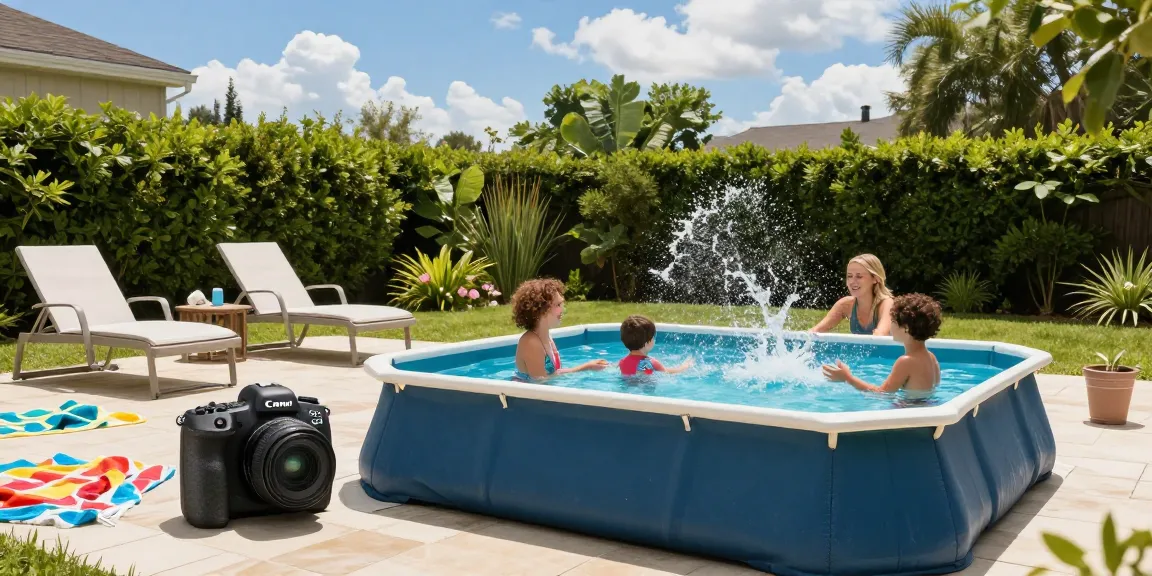
As the warmth of summer beckons, swimming pools become a centerpiece of outdoor enjoyment for many Australian families. However, maintaining crystal-clear water is essential for safety and comfort, which is where pool chlorinators come into play. A reliable chlorination system can substantially reduce the hassle of manual chemical additions, ensuring that your swimming pool remains clean, safe, and inviting.
Australia’s climate emphasizes the necessity for effective pool sanitation methods. Within this context, understanding the best chlorinator for inground pools becomes crucial. Innovative technologies like the K-Chlor Digital Gold Series provide a seamless way to keep pool water hygienic by automatically converting salt into chlorine, thus simplifying maintenance without compromising quality. When exploring options, best chlorinator for inground pools provides comprehensive insights that can guide your purchasing decisions.
What is a Chlorinator and How Does It Work?
A pool chlorinator is an essential device that automates the introduction of chlorine into your pool, maintaining optimal sanitation levels without the laborious task of manual dosing. By utilizing electrolysis, chlorinators convert dissolved salt in the pool water into chlorine as it passes through the chlorinator cell. This process continually sanitizes the water, providing a steady and safe swimming environment.
Benefits of Using a Chlorinator for Inground Pools
The advantages of chlorinators are plentiful:
- Automation: Reduces the need for frequent manual chlorine additions.
- Safety: Maintains consistent chlorine levels, minimizing the risks of algae and bacteria growth.
- Cost-Efficiency: Cuts down chemical costs over time, as the need for purchasing chlorine tablets or liquid diminishes.
- Gentler on Skin: Saltwater systems tend to be less irritating to the skin and eyes compared to traditional chlorine methods.
Types of Chlorinators: Saltwater vs. Traditional
Chlorinators generally fall into two categories: saltwater and traditional chlorinators. Saltwater chlorination systems, such as the K-Chlor, convert salt in the pool water into chlorine, providing a gentler swimming experience. Traditional systems, on the other hand, rely on direct chlorine additions, often leading to fluctuating chlorine levels and the need for regular monitoring and manual adjustments.
Why the K-Chlor Digital Gold Series Stands Out
The K-Chlor Digital Gold Series represents a significant advancement in pool chlorination technology, designed specifically for the unique challenges of Australian pool conditions. These units are not only user-friendly, but they are also built to last, ensuring reliable operation and consistent chlorine production.
Innovative Features of K-Chlor Models
The K-Chlor Digital Gold Series includes several cutting-edge features:
- Advanced Micro-Controller Technology: This allows for precise control of chlorine production, adapting to the pool’s needs in real-time.
- Self-Cleaning Cells: These cells reduce calcium build-up, extending the unit’s lifespan and minimizing maintenance requirements.
- User-Friendly Interface: The digital display makes it simple to monitor and adjust settings as needed.
Performance Analysis in Australian Conditions
K-Chlor units are engineered to withstand the often harsh Australian climate, providing reliable performance even in high temperatures and varying water conditions. Their robust construction ensures that they will function optimally, year after year.
Customer Reviews and Satisfaction Ratings
Customer feedback plays an essential role in evaluating any product, and the K-Chlor Digital Gold Series has garnered favorable reviews from users across Australia. Many pool owners have expressed satisfaction with the ease of installation and the effectiveness of the units in maintaining clean water.
Choosing the Right Chlorinator for Your Pool Size
A critical aspect of ensuring effective pool sanitation is selecting a chlorinator that meets your pool’s specific needs. The size of your pool will significantly influence the type and capacity of the chlorinator you choose.
Calculating Your Pool’s Chlorination Needs
To determine the necessary chlorinator size, consider the following:
- Pool Volume: Calculate the volume of your pool in liters or gallons to assess the chlorine output required for effective sanitation.
- Usage Patterns: Higher usage or warmer water may require a more robust chlorination system.
- Environmental Factors: Pools situated in areas with higher levels of debris or sun exposure may need enhanced chlorination.
Comparing K-Chlor Models for Different Pool Sizes
The K-Chlor Digital Gold Series includes several models tailored to various pool sizes:
- KCHLOR KGS15: Ideal for smaller pools (up to 30,000 liters).
- KCHLOR KGS20: Suited for medium-sized pools (up to 50,000 liters).
- KCHLOR KGS100: Designed for larger installations, accommodating pools exceeding 100,000 liters.
Installation Considerations for Inground Pools
When installing a chlorinator, several factors should be considered:
- Location: The chlorinator should be positioned for optimal water flow and accessibility for maintenance.
- Electrical and Plumbing Requirements: Ensure that your electrical systems can accommodate the chlorinator’s needs without risk.
- Professional Installation: While some may opt for DIY installation, hiring a professional can ensure proper setup and functionality.
Maintaining Your Chlorinator for Optimal Performance
Proper maintenance is essential for maximizing the lifespan and efficiency of your chlorinator. Regular checks and maintenance tasks will help keep your system running smoothly.
Common Maintenance Tasks for K-Chlor Units
To ensure your K-Chlor chlorinator operates at its best, follow these maintenance tips:
- Regular Cleaning: Remove and clean the chlorinator cell periodically to prevent build-up.
- Monitor Chlorine Levels: Regularly check and adjust settings based on actual pool usage and conditions.
- Inspect for Wear: Look for signs of wear and replace any components as needed to maintain optimal performance.
Signs Your Chlorinator Needs Attention
Being attentive to the performance of your chlorinator is key. Watch for these signs indicating it might need servicing:
- Unusual Water Clarity: Cloudy or green water could indicate chlorination issues.
- Frequent Adjustments: If you find yourself constantly adjusting settings, there may be underlying problems.
- Warning Lights: Many models, including K-Chlor, feature alerts for maintenance or operational issues.
Replacement Parts: Overview of K-Chlor Cells
Eventually, all chlorinator cells will wear out and require replacement. The K-Chlor replacement cells are designed to maintain the efficiency of your chlorinator, ensuring that you can continue to enjoy clean and clear water without needing to invest in a whole new system. Familiarizing yourself with the replacement options for your specific model will help you quickly restore chlorine production when required.
Future Trends in Pool Chlorination for 2026 and Beyond
As technology continues to evolve, so does the world of pool care. Future trends are likely to shape the capabilities of chlorinators and the overall experience of pool ownership.
Emerging Technologies in Chlorinator Design
Advancements in sensor technology and automation are paving the way for smarter chlorination systems that can adjust chlorination levels based on factors like weather and water conditions. These innovations promise to enhance efficiency and reduce chemical usage.
Sustainability Practices in Pool Maintenance
With an increasing focus on sustainability, manufacturers are exploring eco-friendly materials and designs that contribute to a lower environmental impact. This shift is expected to resonate well with environmentally conscious consumers.
Expert Predictions for Pool Care Innovations
Industry experts predict that future innovations will lead to more intuitive systems with predictive algorithms, offering tailored adjustments to pool care based on usage patterns and real-time environmental data.
What are the benefits of using a chlorinator for an inground pool?
Chlorinators simplify the maintenance of inground pools, automate chlorine delivery, enhance water safety, and reduce the need for handling harsh chemicals, making them essential devices for modern pool care.
How often should I replace my chlorinator cell?
Typically, chlorinator cells should be replaced every 3-5 years, though this can vary based on usage, the specific model, and maintenance practices.
Are saltwater pools better for skin and eyes?
Many users report that saltwater pools are less irritating to the skin and eyes compared to traditional chlorine pools, making them a popular choice for families and sensitive individuals.
Can I install a chlorinator myself?
While some experienced DIYers may opt to install their chlorinator, it is generally recommended to consult with a professional to ensure proper setup and functionality.
What are the costs associated with pool chlorinators?
The costs can vary widely depending on the type, brand, and features of the chlorinator you choose, but investing in a high-quality model can lead to long-term savings on maintenance and chemical purchases.