
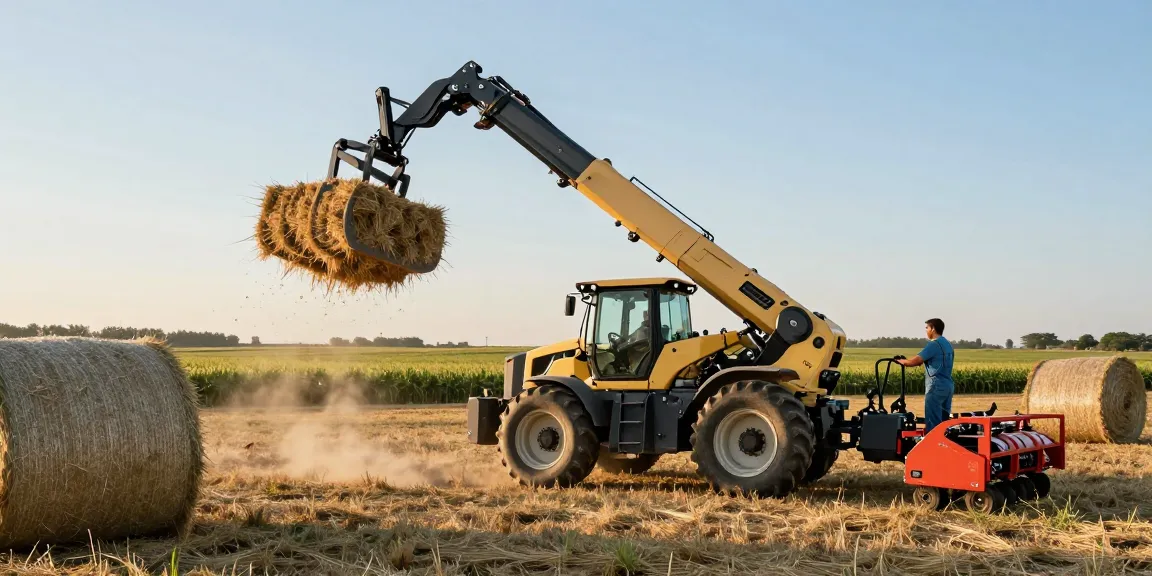
Understanding Electric Loaders for Agriculture
As the agricultural landscape evolves, the demand for efficient and sustainable equipment has never been more pressing. Electric loaders are emerging as essential tools for modern farms, offering superior performance while minimizing environmental impact. In Dallas, farmers are increasingly turning to innovative options like the best farm loader in Dallas to enhance their operations. This article delves deep into the functionality, advantages, and considerations surrounding electric farm loaders, providing an indispensable resource for those looking to optimize their agricultural productivity.
What is the Best Farm Loader in Dallas?
The best farm loader in Dallas is typically characterized by several key features: robust lifting capacity, energy efficiency, and versatility across different agricultural tasks. Farmers should prioritize models that can handle a variety of implements, such as buckets, forks, and grapples, for maximum utility across their operations. Additionally, the best loaders are designed with comfort and ease of operation in mind, facilitating longer work hours without causing strain. Texas-based suppliers like Texlift offer a range of electric loaders specifically tailored for the diverse needs of local agricultural professionals.
Benefits of Electric Loaders Over Traditional Models
- Environmentally Friendly: Electric loaders produce zero emissions, significantly reducing the carbon footprint of farming operations.
- Lower Operating Costs: With fewer moving parts and less frequent maintenance required compared to diesel-powered loaders, electric models tend to have lower operational expenses.
- Quiet Operation: The silent nature of electric loaders allows for more peaceful working environments, which can be particularly beneficial in residential farming areas.
- Instant Torque: Electric motors provide immediate torque, ensuring that loaders can quickly respond to various tasks, enhancing efficiency.
Key Features to Look for in a Farm Loader
When selecting a farm loader, it’s crucial to consider several features:
- Lifting Capacity: Ensure the loader can handle the maximum weight you plan to lift.
- Battery Life: Look for loaders with high-capacity batteries that allow for extended use without frequent recharging.
- Size and Maneuverability: Choose a model that fits comfortably within the confines of your farm while being agile enough for tight spaces.
- Versatility: A loader that can accommodate various attachments will provide greater functionality across different tasks.
Comparative Analysis of Leading Brands
Best Farm Loader in Dallas vs Competitor A
When comparing the best farm loader in Dallas with Competitor A, key differentiators often include battery technology and customer service. For instance, Texlift’s loaders generally feature advanced lithium-ion batteries that offer better performance and longer life compared to some competitors. Moreover, customer testimonials highlight the superior support provided by Texlift’s knowledgeable staff, making it a preferred choice among farmers.
Best Farm Loader in Dallas vs Competitor B
Similarly, when evaluating against Competitor B, the ergonomic design and user-friendly controls of Texlift loaders stand out. Farmers have noted that ease of operation significantly reduces fatigue and increases productivity during long working hours, strengthening Texlift’s position in the market.
Why Performance Matters in Farm Loaders
Performance is critical in farm loaders as it directly impacts the efficiency of agricultural operations. A loader that can perform tasks quickly and reliably ensures that farmers can maximize their productivity while minimizing downtime. Factors such as load capacity, battery efficiency, and motor performance all play vital roles in determining a loader’s overall effectiveness.
Real-World Applications of Electric Loaders
Case Study: Electric Loaders in Modern Farms
In a recent case study, a Dallas-based farm incorporated electric loaders into their operations, leading to a marked improvement in efficiency. By replacing their diesel loaders, they reduced operational costs by nearly 30% over a year and significantly minimized noise pollution on the farm. This transition also enhanced the working conditions for employees, showcasing the practical benefits of electric loaders in real-world applications.
How Electric Loaders Improve Efficiency and Productivity
Electric loaders enhance efficiency and productivity through their quick response times and lower maintenance requirements. With electric powertrains, these loaders can operate longer hours without the anxiety of fuel availability, allowing for sustained productivity throughout the workday. Additionally, their compatibility with various attachments means farmers can switch tasks seamlessly, further boosting operational efficiency.
Safety Features in Today’s Electric Loaders
Modern electric loaders are designed with safety in mind, incorporating features such as automatic braking systems, stability control, and operator protection mechanisms. These enhancements are crucial for preventing accidents on busy farms where multiple tasks occur simultaneously. Furthermore, electric loaders often come equipped with advanced monitoring systems that can alert operators to potential hazards, ensuring a safer working environment.
Evaluating Cost-Effectiveness and ROI
Initial Investment vs Long-Term Savings
Investing in electric loaders often requires a higher initial outlay compared to traditional diesel models. However, the long-term savings derived from reduced fuel costs, lower maintenance expenses, and potential tax incentives for using green technology can outweigh these initial expenses. Farmers must perform a careful analysis of their specific needs to determine the best financial approach.
Financing Options for Farmers in Dallas
For farmers in Dallas, numerous financing options are available, including government grants, low-interest loans, and leasing agreements. Many suppliers, including Texlift, also offer flexible payment plans and financing assistance to make electric loaders more accessible. Understanding and leveraging these options can significantly ease the financial burden of purchasing new equipment.
Calculating the ROI of Electric Farm Loaders
To calculate the ROI of electric farm loaders, farmers should consider factors such as total initial investment, expected lifespan of the equipment, and savings on operational costs. Tools like cost calculators can help in evaluating the potential returns based on various operational scenarios, ensuring that farmers can make informed decisions regarding their equipment investments.
Future Trends in Agricultural Equipment
Emerging Technologies in Farm Loaders for 2026
As technology in agriculture continues to evolve, so too will the capabilities of farm loaders. Innovations such as AI-enhanced load management, autonomous driving features, and improved battery technologies are on the horizon. These advancements promise to further streamline agricultural operations, making electric loaders even more indispensable in the farming toolkit.
Sustainability and the Role of Electric Equipment
Sustainability is becoming a cornerstone of modern agriculture, with electric equipment playing a pivotal role in this transition. By reducing reliance on fossil fuels, electric loaders contribute to a more sustainable farming ecosystem. As environmental regulations become stricter, adopting electric loaders will not only be beneficial but essential for compliance and market competitiveness.
Preparing Your Farm for Future Innovations
To prepare for future innovations, farmers should focus on integrating flexible and adaptable equipment into their operations. Investing in electric loaders now will position farms to leverage new technologies as they emerge. Additionally, staying informed through industry publications and actively participating in agricultural forums can help farmers remain ahead of evolving trends.
What is the best electric loader for farming needs?
The best electric loader for farming needs will vary based on specific operations but generally includes models that balance performance, capacity, and adaptability. Seeking expert advice and conducting thorough research will lead to the ideal choice tailored to individual farming conditions.
How do electric loaders compare to diesel models?
Electric loaders generally offer lower operational costs, reduced emissions, and enhanced user comfort compared to diesel models. While diesel loaders may still lead in sheer power and initial purchase price, the long-term advantages of electric loaders are becoming increasingly compelling.
What are the maintenance requirements for electric loaders?
Electric loaders require less maintenance than diesel models primarily due to fewer moving parts. Regular battery checks and occasional inspections of electrical components are typically all that’s necessary to keep them in optimal working condition.
Can electric loaders handle heavy-duty tasks?
Yes, many electric loaders are designed specifically to handle heavy-duty tasks, with capacities comparable to their diesel counterparts. Advances in battery technology and electric motors have significantly increased their capability.
What should I consider when buying a farm loader?
When purchasing a farm loader, consider factors such as lifting capacity, battery life, size and maneuverability, and the versatility of attachments. Additionally, evaluating after-sales support and warranty options can help inform a smart purchasing decision.