
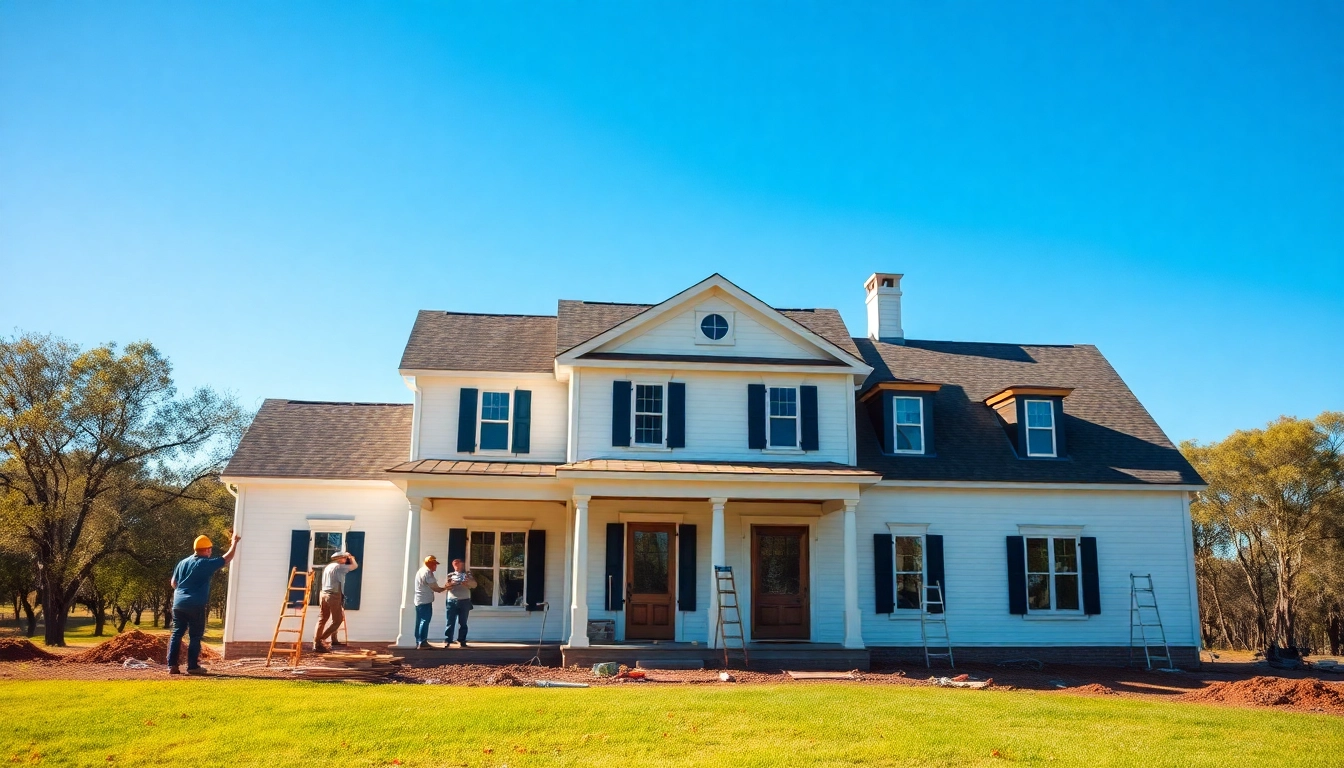
Understanding Colonial Home Construction
Colonial home construction represents a sophisticated blend of historical elegance and modern functionality. Distinguished by their symmetrical façade, gabled roofs, and classic brick or wood siding, colonial homes have withstood the test of time, making them a popular choice among homeowners today. This guide aims to navigate through the fundamental aspects of constructing a colonial home, offering deep insights into its architectural charm and practical considerations. Those interested in embarking on their own journey toward achieving a colonial aesthetic will find comprehensive information on planning, materials, and maintenance. For further exploration into colonial home construction, let’s delve deeper into its defining characteristics.
Key Characteristics of Colonial Homes
Colonial homes are characterized by several key features that contribute to their timeless appeal:
- Symmetry: Most colonial houses display a balanced appearance, often featuring an equal number of windows on either side of a centered front door.
- Gabled Roofs: The roofs typically have a steep pitch, allowing for attic spaces that may be finished as extra living areas.
- Pillared Entrances: Many colonial designs include a prominent front porch supported by columns, enhancing the elegant aesthetic.
- Defined Style: Architectural styles include Georgian, Federal, Dutch, and Spanish colonial, each offering unique elements while adhering to the overarching colonial theme.
- Authentic Materials: Traditional materials such as brick, wood, and stone are frequently utilized to reflect the historical origins of the design.
Historical Background of Colonial Architecture
Colonial architecture roots trace back to early settlers in America who drew inspiration from European styles, particularly those of the British Isles. The earliest colonial homes were functional and built using locally sourced materials, evolving over the centuries to incorporate more intricate designs. By blending old-world craftsmanship with modern construction techniques, colonial homes serve as a symbol of heritage and comfort. The transition from simple, utilitarian structures to more elaborate designs occurred during the 18th century as wealth grew and the need for more sophisticated homes became apparent.
Benefits of Colonial Home Construction
Choosing to construct a colonial home comes with numerous advantages:
- Timeless Design: Colonial homes offer an enduring aesthetic appeal, making them desirable through generations.
- Energy Efficiency: Modern colonial designs often incorporate contemporary energy-efficient technologies, providing comfort while reducing costs.
- Resale Value: Colonial homes tend to have higher resale values due to their consistent popularity and structural integrity.
- Adaptability: These homes can be easily adapted or renovated while preserving their historic charm.
Planning Your Colonial Home Project
Setting a Budget for Colonial Home Construction
Establishing a budget is paramount for any construction project. Begin by determining the overall cost, including land acquisition, materials, labor, and permits. It’s recommended to allocate an additional 10-15% of your overall budget for unexpected expenses. Additionally, understanding local tax implications and potential zoning restrictions can aid in formulating a comprehensive financial plan. Preparing a detailed budget ensures you can successfully navigate the complexities involved in a colonial home construction project.
Choosing the Right Location for Your Home
Selecting an ideal location for your colonial home involves considering several factors such as accessibility, community amenities, scenic views, and local real estate trends. Proximity to schools, workplaces, and recreational activities enhances convenience and livability. Moreover, it’s crucial to assess whether the land is suitable for the colonial style, ensuring that it complements the surrounding environment while allowing for proper drainage and foundation construction.
Design Considerations for Colonial Homes
Designing a colonial home requires an intimate understanding of architectural principles and personal preferences. Begin with a focus on functional living spaces: open floor plans can be combined with traditional layouts for a modern touch while maintaining colonial aesthetics. Consult with architects familiar with colonial styles to guide structural elements like window placement, ceiling height, and room dimensions. Customization options such as decorative molding, built-in bookshelves, and classical color palettes can enhance the home’s unique character while reflecting its historical roots.
Selecting Materials for Colonial Home Construction
Traditional Materials Used in Colonial Architecture
Colonial homes predominantly utilize materials that echo their historical legacy. Brick has long been favored for its durability and classic appearance, while wood is often used for framing, siding, and detailing. Roof shingles made of slate or cedar further accentuate colonial charm. When selecting materials, prioritize quality and longevity; reputable local suppliers can provide insight into the best options for authenticity while ensuring structural integrity.
Eco-friendly Options in Colonial Home Construction
Incorporating eco-friendly materials into colonial home construction is increasingly viable. Sustainable wood products, reclaimed bricks, and low-VOC paints represent environmentally conscious choices that do not compromise on style. Integrating energy-efficient windows, biodegradable insulation, and solar panels can further align your colonial home with modern sustainability practices while offering long-term savings on energy expenses.
Cost-effective Alternatives for Colonial Homes
For those working within a tighter budget, consider cost-effective alternatives that still celebrate the colonial style. Fiber cement siding mimics the appearance of natural wood or brick, providing durability without the price tag. Utilizing prefabricated components can also save costs without sacrificing quality. In some cases, DIY elements in design or finish can help reduce expenses while personalizing the project.
Finding the Right Professionals for Your Project
Choosing an Architect for Colonial Home Construction
Selecting the right architect is crucial for a successful colonial home project. Look for professionals specializing in colonial architecture or those with relevant experience in traditional homes. An effective architect should share your vision and offer insights into practical adaptations while preserving the style’s authenticity. Review their portfolios to assess their previous work and seek recommendations from past clients to ensure they can deliver your dream home.
Hiring Skilled Craftsmen and Contractors
Craftsmanship plays a pivotal role in colonial home construction, given the intricate details often involved. Seek skilled craftsmen experienced in traditional techniques and familiar with the nuances of colonial design. Additionally, hiring general contractors with a solid reputation in the local area can facilitate a smooth construction process, ensuring the project’s timely completion with high standards of quality.
Assessing Project Management Options
Managing a colonial home project can be complex, so consider whether to hire a project manager or take a hands-on approach. If you opt for a project manager, ensure they have a good track record of delivering similar projects. A project manager can help coordinate schedules, oversee budgets, and ensure effective communication among stakeholders, streamlining the construction process and driving your vision forward.
Maintaining Your Colonial Home
Regular Maintenance Tips for Colonial Homes
Routine maintenance is vital to preserving the charm and integrity of colonial homes. Schedule regular inspections to identify and address wear, particularly on roofing, siding, and plumbing systems. Maintaining pristine gutters and ensuring proper drainage will prevent water damage. Additionally, refreshing paint and sealing wood surfaces can prevent deterioration and maintain your home’s classic appearance.
Renovations That Preserve Colonial Charm
Undertaking renovations in a colonial home requires careful consideration to avoid compromising its historical elements. Prioritize restoration of original features such as trim, moldings, and built-ins where feasible. When introducing modern updates, ensure they blend harmoniously with the overall aesthetic. Engage professionals who specialize in historical restorations to guarantee authenticity in any alterations.
Long-term Upkeep Solutions for Colonial Home Construction
Beyond regular maintenance, developing long-term upkeep strategies is essential for ensuring the preservation of your colonial home. Consider establishing a maintenance schedule that includes seasonal checks, proactive repairs, and budget allocation for future renovations. Documenting all maintenance activities will provide a clear history of care, enhancing the home’s value and appeal in the event of future sales.
Frequently Asked Questions
What defines a colonial home?
A colonial home is characterized by its symmetrical facade, gabled roofs, and traditional materials like brick and wood. It often features a centered front door with evenly spaced windows.
What are the most popular colonial styles?
Popular colonial styles include Georgian, Federal, Dutch, and Spanish colonial. Each style showcases unique architectural features while adhering to colonial design principles.
How long does it take to construct a colonial home?
The construction timeline for a colonial home can vary but typically ranges from 6 months to over a year, depending on complexity, materials, and homeowner decisions.
Is colonial architecture energy-efficient?
Modern colonial homes can incorporate energy-efficient technologies, such as improved insulation, energy-efficient windows, and renewable energy options, making them sustainable.
Can I modernize my colonial home?
You can modernize a colonial home by adding contemporary amenities while preserving its historic features. Focus on updates that blend seamlessly with the original design.


