
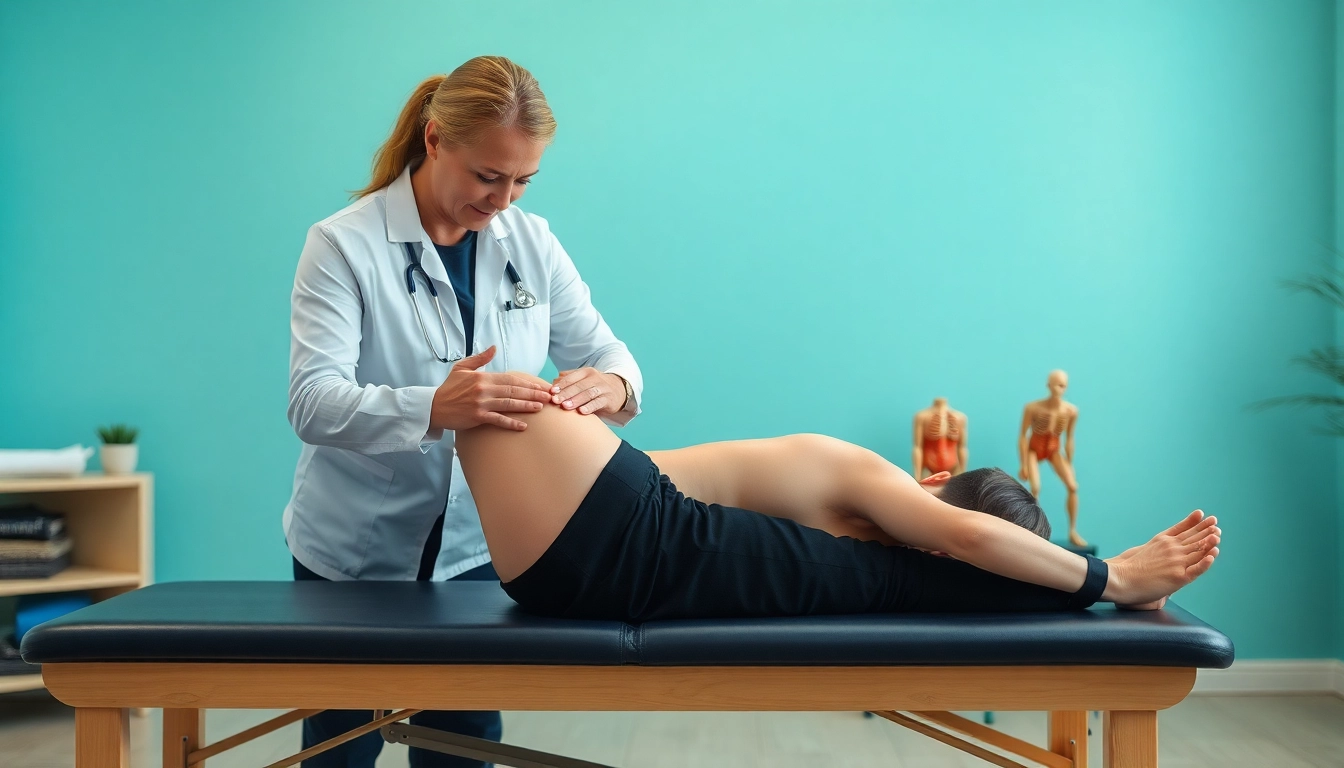
Understanding Chronic Low Back Pain
Chronic low back pain is a prevalent condition that can severely impact daily life and overall well-being. This complex issue affects a significant portion of the population at some point in their lives. For those experiencing this condition, understanding its underlying causes, symptoms, and potential treatments is essential for effective management. Many individuals seeking to alleviate their discomfort often turn to resources for help, including those focusing on chronic low back pain.
The Anatomy of the Lower Back
To effectively comprehend chronic low back pain, it is crucial to understand the anatomy of the lower back. The lumbar spine, consisting of five vertebrae (L1 to L5), acts as a crucial structural point for support, mobility, and flexibility.
1. Vertebrae and Discs: Each vertebra is separated by intervertebral discs that function as shock absorbers. These discs contain a gel-like nucleus that allows for movement. Over time, these discs can degenerate or become herniated, leading to pain.
2. Muscles and Ligaments: Surrounding the spine are various muscles, ligaments, and tendons that provide support. Weak or imbalanced muscles can contribute to instability and pain.
3. Nerves: The spine houses the spinal cord, which transmits nerve signals. Compression or irritation of nerves due to herniated discs or spinal stenosis can exacerbate pain.
Understanding this anatomy is critical for identifying potential sources of chronic low back pain and informing treatment strategies.
Common Causes of Chronic Low Back Pain
Several factors contribute to chronic low back pain, ranging from lifestyle choices to underlying medical conditions:
– Poor Posture: Slouching or poor ergonomics at work or home can create undue stress on the spine.
– Sedentary Lifestyle: Lack of physical activity can weaken the muscles that support the spine, leading to pain.
– Injuries: Acute injuries from sports, accidents, or falls can result in lasting pain if not treated properly.
– Degenerative Disc Disease: Age-related wear and tear can lead to disc degeneration and chronic pain.
– Arthritis: Conditions such as osteoarthritis often lead to inflammation and pain in the spine.
– Medical Conditions: Conditions like scoliosis, kidney stones, or infections can also be culprits.
Recognizing these causes can help individuals take preventive actions and seek appropriate treatment when necessary.
Symptoms and Diagnosis of Chronic Low Back Pain
Identifying symptoms accurately is crucial for effective management. Common symptoms associated with chronic low back pain include:
– Persistent aching or stiffness: This can be localized or affect surrounding areas.
– Radiating pain: Pain may travel down into the buttocks, legs, or feet.
– Limited mobility: Reduced flexibility can interfere with daily activities.
– Weakness: Some may experience weakness or numbness in the legs.
Diagnosis often involves a comprehensive approach:
1. Medical History: Discussions about pain duration, intensity, and previous treatments,
2. Physical Examination: This assesses posture, range of motion, and specific areas of tenderness.
3. Imaging Tests: X-rays, MRI, or CT scans can reveal structural problems contributing to pain.
4. Diagnostic Tests: Electromyography (EMG) may be utilized to assess nerve function and identify problems.
Accurate diagnosis is fundamental for creating an effective treatment strategy.
Lifestyle Changes to Alleviate Chronic Low Back Pain
Making specific lifestyle changes can significantly mitigate chronic low back pain. Understanding how daily habits affect back health is essential for long-term relief.
Importance of Regular Exercise
Regular exercise is one of the most effective ways to manage chronic low back pain. Engaging in appropriate physical activity strengthens core muscles, enhances flexibility, and improves overall fitness. Here are some key points:
– Strengthening Exercises: Targeting the abdominal and back muscles can provide better support for the spine.
– Low-Impact Activities: Swimming, cycling, and walking can improve cardiovascular health without straining the back.
– Stretching: Gentle stretching can enhance flexibility, help alleviate stiffness, and reduce discomfort.
Adopting a consistent exercise regimen, under the guidance of healthcare professionals, is crucial for managing chronic low back pain effectively.
Dietary Considerations for Back Health
Nutrition plays a vital role in maintaining overall body health, including back health. A balanced diet rich in certain nutrients can alleviate chronic low back pain:
– Anti-Inflammatory Foods: Incorporate omega-3 fatty acids, found in fish, flaxseeds, and walnuts, as they help reduce inflammation.
– Calcium and Vitamin D: These nutrients are essential for bone health and can be sourced from dairy products, leafy greens, and fortified foods.
– Hydration: Staying well-hydrated keeps intervertebral discs healthy, maintaining their cushioning properties.
Consulting with a healthcare provider or a registered dietitian can provide personalized dietary recommendations.
Posture Correction Techniques
Correcting poor posture is crucial for alleviating and preventing chronic low back pain. Here are effective strategies:
– Ergonomic Workspaces: Adjusting chair height, computer screen level, and desk setup can promote better posture.
– Mindfulness and Awareness: Regularly remind yourself to maintain a straight back and avoid slouching.
– Posture Exercises: Practices such as yoga or Pilates can enhance body awareness and improve posture over time.
Learning how to maintain a neutral spine position throughout daily activities can significantly diminish back pain.
Treatment Options for Chronic Low Back Pain
When lifestyle changes aren’t enough to alleviate chronic low back pain, several treatment options can be explored.
Physical Therapy Approaches
Physical therapy is often the first line of treatment for chronic low back pain. A physical therapist can design a personalized program focusing on:
– Pain Relief Techniques: Modalities such as heat, ice, and electrical stimulation can be utilized.
– Exercise Programs: Tailored exercises can improve strength and flexibility in the back and core.
– Manual Therapy: Techniques like mobilization and manipulation may relieve pain and improve movement.
The goal of physical therapy is to恢复功能, minimize pain, and promote a return to regular activities.
Medication and Pain Management Strategies
In some cases, medications may be necessary as part of a comprehensive pain management strategy:
– Over-the-Counter Pain Relievers: Nonsteroidal anti-inflammatory drugs (NSAIDs) can help reduce pain and inflammation.
– Prescription Medications: In severe cases, opioids or muscle relaxants may be prescribed, but they come with risks of dependency and side effects.
– Topical Treatments: Creams or patches containing analgesics can provide localized pain relief.
It’s essential to discuss any medication regimens with a healthcare provider to weigh the benefits against potential risks.
Alternative Therapies and Their Benefits
Many individuals seeking relief from chronic low back pain turn to alternative therapies as adjuncts to traditional treatments:
– Acupuncture: This ancient practice may help relieve chronic pain through the stimulation of specific points in the body.
– Chiropractic Care: Spinal manipulation is commonly used to alleviate pain and improve spinal function.
– Massage Therapy: Therapeutic massage can enhance circulation, reduce muscle tension, and provide relaxation.
While these therapies may not work for everyone, they often offer benefits alongside conventional approaches.
Preventing Recurrence of Chronic Low Back Pain
Preventing recurrences of chronic low back pain is vital for maintaining long-term well-being. Implementing fundamental strategies can help.
Building a Strong Core for Support
A strong core is essential for spinal stability and can prevent back pain. Focus on core-strengthening exercises, including:
– Planks: Aiding in overall core strength.
– Bridges: Strengthening the glutes and lower back.
– Leg Raises: Building abdominal strength.
Regularly integrating these exercises will promote a resilient core and provide support to the lower back.
Ergonomic Adjustments in Daily Life
Making ergonomic adjustments in everyday activities can significantly reduce the risk of recurrent back pain:
– Proper Lifting Techniques: Always engage your legs, not your back, when lifting heavy objects.
– Sitting Habits: Use supportive chairs and maintain proper posture to promote spinal health.
– Rest and Recovery: Regular breaks during prolonged sitting or standing can alleviate strain.
Creating a conducive environment for back health can lead to a significant decrease in chronic low back pain.
Stress Management and Its Impact
Stress can exacerbate chronic low back pain, making stress management an essential aspect of treatment:
– Mindfulness Techniques: Practices such as meditation or deep-breathing exercises can reduce stress levels.
– Regular Physical Activity: Exercise acts as a form of stress relief and promotes overall well-being.
– Support Systems: Connecting with friends, family, or support groups can provide emotional relief.
Managing stress not only improves mental health but can also enhance physical health, including pain management.
Frequently Asked Questions About Chronic Low Back Pain
What are the first steps to manage chronic low back pain?
Begin with understanding the root cause, then consider lifestyle changes such as exercise, posture improvements, and consulting with healthcare professionals for personalized advice.
How can I differentiate between acute and chronic low back pain?
Acute pain is temporary, usually lasting a few days to weeks following an injury, while chronic pain persists for three months or longer, often requiring different management approaches.
Are there exercises specifically beneficial for chronic low back pain?
Yes, exercises focusing on core strength, flexibility, and gentle stretching, such as yoga and pilates, are particularly beneficial in managing chronic low back pain.
When should I see a doctor for my chronic low back pain?
Consult a doctor if pain lasts longer than a few weeks, worsens, or is accompanied by other symptoms such as weight loss, fever, or numbness.
What lifestyle changes can support back health?
Integrate regular exercise, maintain a nutritious diet, practice good posture, and ensure proper ergonomics in daily activities to support back health.