
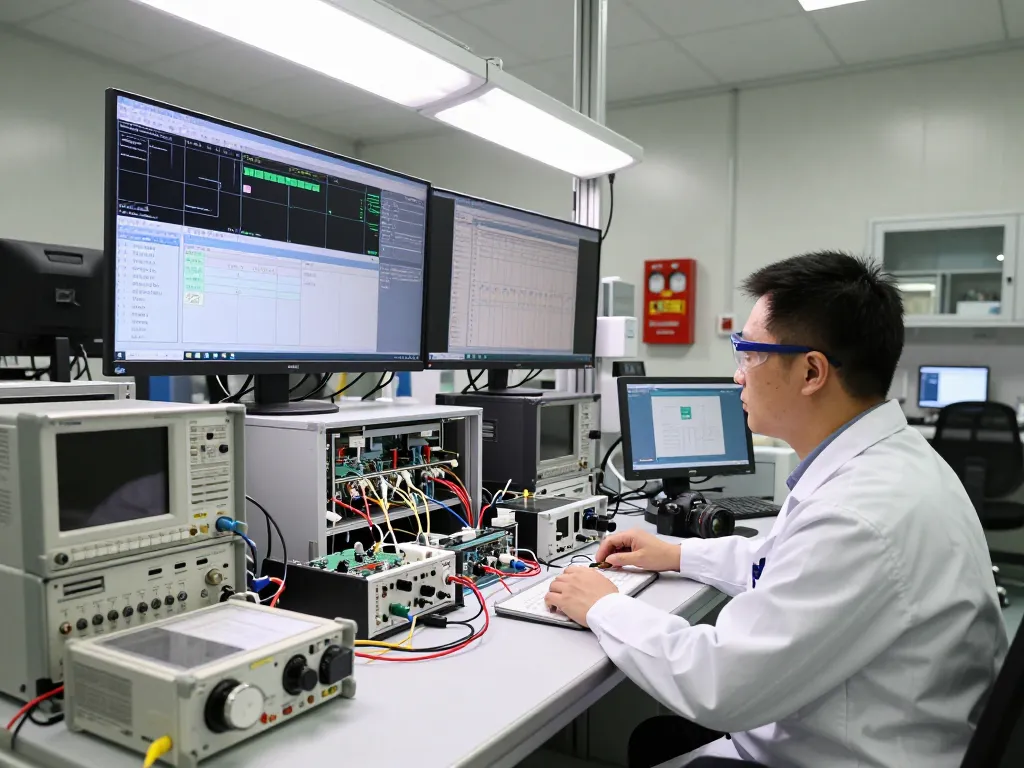
Understanding ISED Certification Requirements
The ISED certification is crucial for manufacturers aiming to ensure that their products meet the regulatory demands of the Canadian market. Managed by Innovation, Science and Economic Development Canada, ISED certification helps businesses demonstrate compliance with standards that promote safety and efficiency in electronic devices across various sectors. By navigating the complexities of ISED certification, companies not only adhere to legal requirements but also enhance their market credibility, paving the way for smoother distribution and enhanced customer trust.
What is ISED Certification?
ISED certification refers to the compliance verification process mandated by the Government of Canada, specifically focusing on electrical and electronic products. This certification ensures that devices such as telecommunications equipment, wireless devices, and other electronics conform to national standards set to minimize harmful electromagnetic interference. Obtaining this certification is a pivotal step for businesses looking to market their electronic products in Canada.
Importance of ISED Compliance in Electronics
Compliance with ISED regulations is essential for several reasons:
- Market Access: ISED certification is a prerequisite for selling electronic products within Canada, ensuring that manufacturers can easily enter the Canadian market.
- Consumer Safety: Compliance helps protect consumers from devices that could emit harmful electromagnetic interference, ensuring products operate safely and effectively.
- Brand Reputation: Having ISED certification enhances a company’s credibility and reliability, thus strengthening consumer trust and brand reputation.
Key Regulatory Standards Associated with ISED
Manufacturers must familiarize themselves with the following key standards associated with ISED certification:
- RSS (Radio Standards Specification): Covers the technical requirements for radio frequency devices.
- EMC (Electromagnetic Compatibility): Ensures devices do not interfere with one another and function as intended.
- IC (Industry Canada) Certification: A prerequisite that ensures products comply with Canadian regulations.
The Process of Obtaining ISED Certification
Securing ISED certification involves a multi-step process that helps ensure compliance with established standards. It typically involves consultation, testing, and documentation.
Consultation and Initial Assessment Steps
The initial phase of obtaining ISED certification is consultation. Engaging with an expert testing laboratory like Stancer Testing-Lab allows manufacturers to conduct an initial assessment of their products. During this phase, our engineers analyze the design and function of the device to identify potential compliance challenges early on.
Testing Procedures for EMC and RF Compliance
Once the initial assessment is complete, the next step is rigorous testing. This includes:
- EMC Testing: Assessing how well a device can operate in its environment without causing electromagnetic interference.
- RF Testing: Evaluating the product’s performance in transmitting and receiving radio frequencies.
At Stancer Testing-Lab, we utilize top-notch facilities and equipment, ensuring accurate and reliable results throughout the testing phase.
Document Submission and Certification Timeline
After successful testing, manufacturers must compile the necessary documentation, which includes test reports and compliance certificates. This documentation is then submitted to ISED for review. The typical timeline for receiving certification can vary based on the complexity of the product and the completeness of the submitted documentation, but our expertise at Stancer Testing-Lab ensures a streamlined process.
Advanced Testing Solutions at Stancer Testing-Lab
At Stancer Testing-Lab, we offer an array of advanced testing solutions tailored to help your products achieve ISED certification efficiently.
Overview of Our Cutting-Edge Facilities
Our testing laboratory is equipped with state-of-the-art technology designed to conduct a wide range of EMC and RF testing. Our facilities feature:
- Advanced Anechoic Chambers: For precise RF performance measurements.
- EMC Testing Equipment: Ensuring compliance with international standards.
- Expert Engineering Team: With extensive experience across various sectors.
Expertise in Diverse Industry Applications
Stancer Testing-Lab serves a multitude of industries including telecommunications, medical devices, automotive, and consumer electronics. Our broad experience allows us to adapt testing procedures to meet specific regulatory requirements for each industry, ensuring compliance regardless of the product type.
Tailored Compliance Solutions for Your Products
We understand that each product is unique. Thus, Stancer Testing-Lab provides tailored compliance solutions, offering insights and modifications necessary to meet ISED standards efficiently. This customized approach helps minimize the time required for product certification, allowing for a quicker time to market.
Common Challenges in ISED Compliance Testing
While the benefits of ISED certification are substantial, manufacturers often face challenges in the compliance testing process.
Misconceptions About the Certification Process
Many manufacturers mistakenly believe that ISED certification is a straightforward process. However, understanding the nuances of regulatory requirements and testing standards is essential. Engaging with industry experts can mitigate these misconceptions and streamline the compliance journey.
Navigating Complex Regulatory Requirements
The diverse range of ISED standards can be daunting. Manufacturers must not only understand the current regulations but also anticipate future changes. Staying informed through a reliable testing lab like Stancer Testing-Lab can help navigate these complexities.
Overcoming Technical Barriers in Testing
Technical barriers can arise during EMC and RF testing. These may include design flaws or unforeseen interference issues. Regular consultations and iterative design modifications are crucial in overcoming these hurdles efficiently.
Future Trends in EMC Testing and Certification
The landscape of EMC testing is evolving, influenced by advancements in technology and regulatory changes.
Emerging Technologies Impacting Compliance
As technologies such as IoT and 5G continue to develop, new compliance requirements will arise. It is imperative for manufacturers to keep abreast of these changes to ensure ongoing compliance in an ever-evolving market.
Anticipated Changes to ISED Standards in 2026
Looking ahead to 2026, manufacturers should prepare for updates to existing ISED standards that will address new technologies and address the growing need for enhanced cybersecurity measures. Staying adaptable and informed is key to maintaining compliance.
Strategies for Staying Ahead in Compliance
To remain competitive and compliant, businesses should implement proactive strategies such as:
- Regular Training: Keeping engineering teams informed about current and forthcoming regulations.
- Continuous Testing: Conducting routine compliance testing to identify issues before they arise.
- Partnerships with Testing Labs: Collaborating with labs like Stancer Testing-Lab for ongoing support and guidance.
What is ISED Certification?
ISED certification is an essential requirement for manufacturers looking to market their electronics in Canada. This certification ensures adherence to specific standards that govern electromagnetic compatibility and performance.
What are the Benefits of ISED Certification?
Benefits of ISED certification include access to the Canadian market, enhanced product safety, and improved customer trust, which collectively strengthen a manufacturer’s competitive standing.
How Long Does the ISED Certification Process Take?
The duration of the ISED certification process can vary, typically ranging from a few weeks to several months, depending on the complexity of the product and the thoroughness of the documentation provided.
What Testing Does ISED Require for Wireless Products?
Wireless products must undergo specific testing to evaluate their RF performance, including emissions and immunity tests to ensure compliance with ISED standards.
Who Handles the ISED Certification Application?
The ISED certification application is usually handled by the manufacturer or their designated representative, such as a testing lab like Stancer Testing-Lab, which can guide the application process and ensure all requirements are met.