
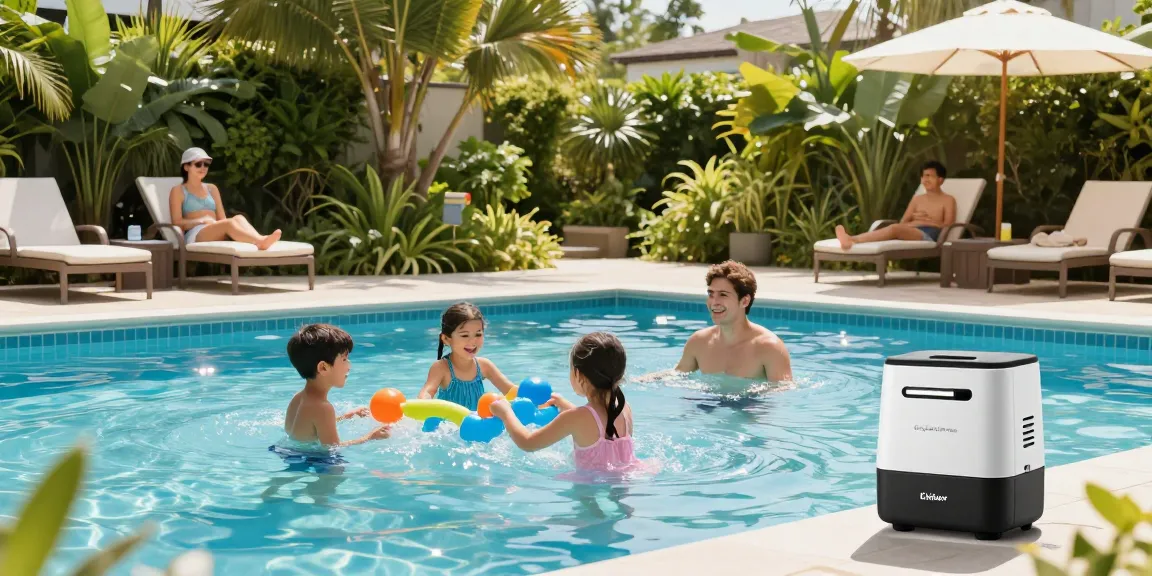
Understanding Pool Chlorination Systems
When it comes to maintaining a clean and safe swimming environment, many pool owners are turning to saltwater chlorination systems. These systems provide a user-friendly alternative to traditional chlorine pools, offering a more automated approach to water sanitation. In Australia, where pool ownership is prevalent, understanding the benefits and functionality of these systems is essential. For those looking for dependable options, Best Pool Chlorinators in Australia offers an array of high-quality chlorination systems tailored to meet diverse pool care needs.
What is a Salt Water Chlorinator?
A saltwater chlorinator is an innovative device that converts dissolved salt into chlorine through the process of electrolysis. As water passes through the chlorinator cell, an electric current is applied, splitting sodium chloride (salt) into its chemical components. The result is chlorine production, which is then released into the pool to sanitize the water. This self-sustaining process eliminates the need for storing and handling harsh chemicals, making pool maintenance not only easier but also safer.
Benefits of Using Saltwater Pools
- Reduced Chemical Handling: Saltwater pools significantly lower the need for traditional chlorine, minimizing exposure to harsh chemicals.
- Gentler on Skin and Eyes: Users report that saltwater pools feel softer on the skin and are less irritating to the eyes compared to traditionally chlorinated pools.
- Simplified Maintenance: Automated chlorine production facilitates consistent water quality, requiring less manual intervention and ongoing monitoring.
- Cost-Effective Solutions: With lower chemical costs and reduced maintenance efforts, saltwater systems can lead to long-term savings for pool owners.
How Pool Chlorinators Work
Saltwater chlorinators operate on a straightforward principle. Salt is added to the pool water, typically at a concentration far lower than ocean water. Once the salt dissolves, the chlorinator engages during the circulation process. The chlorinator cell contains titanium plates that produce chlorine as the water flows through. This chlorine is then distributed throughout the pool, maintaining optimal sanitation levels.
Top Recommendations for Best Pool Chlorinators in Australia
K-Chlor Digital Gold Series Overview
The K-Chlor Digital Gold Series is a standout collection of chlorinators designed specifically for the unique conditions faced by Australian pool owners. Ranging from the KCHLOR KGS15 to the KGS100 models, these chlorinators are built to offer reliable performance, durability, and efficiency. Each model features advanced microcontroller technology that enhances operation, ensuring consistent chlorine output while reducing energy consumption.
Comparative Analysis of K-Chlor Models
Choosing the right K-Chlor model for your pool will largely depend on your pool size and specific sanitation needs. Here’s a quick comparison of some key models:
- KCHLOR KGS15: Suitable for pools up to 15,000 liters, this model is ideal for smaller residential pools.
- KCHLOR KGS30: Designed for mid-sized pools, this model can handle up to 30,000 liters, making it perfect for family pools.
- KCHLOR KGS50: Perfect for larger pools, the KGS50 offers robust chlorine production for up to 50,000 liters.
- KCHLOR KGS100: This is the ultimate model for commercial applications or very large residential pools, handling extensive water volumes effortlessly.
Customer Reviews and Feedback
Customers have lauded the K-Chlor Digital Gold Series for its reliability and ease of use. Many users highlight the self-cleaning feature as a significant advantage, as it reduces calcium build-up and maintenance. Positive feedback often notes the units’ durability and the company’s responsive customer support. Overall satisfaction ratings reveal that most customers find significant value in their investment, particularly regarding the long-term savings and reduced labor associated with pool maintenance.
Choosing the Right Chlorinator for Your Pool Size
Factors to Consider When Selecting a Chlorinator
When selecting a chlorinator, consider several factors beyond just the size of your pool. These include:
- Water Chemistry: Regularly test your pool water to understand its chemistry. Proper balance can prolong the chlorinator’s life.
- Swimming Frequency: Are you using the pool often or only occasionally? Higher frequency may demand a more robust unit.
- Climate Conditions: In warmer climates, additional chlorine production may be necessary due to higher evaporation rates.
Calculating Chlorinator Size for Optimal Performance
Choosing the right size chlorinator is critical for ensuring effective sanitation. A common rule of thumb is to select a chlorinator that can produce 1 gram of chlorine per hour for every 1,000 liters of pool water. Therefore, a 50,000-liter pool would typically require a chlorinator capable of producing at least 50 grams of chlorine per hour. Always consult the manufacturer’s specifications for detailed recommendations.
Common Misconceptions About Chlorinator Sizing
One prevalent misconception is that larger is always better when it comes to chlorinators. While it is essential to have sufficient chlorine production capabilities, oversized units can lead to inefficiencies and higher operational costs. Conversely, undersized units may struggle to maintain appropriate chlorine levels, leading to water quality issues.
Maintenance and Troubleshooting of Pool Chlorinators
Regular Maintenance Tips for Longevity
Regular maintenance is crucial for extending the life of your chlorinator. Here are some essential maintenance tips:
- Clean the Chlorinator Cell: Rinse the cell regularly to prevent scale build-up.
- Monitor Salinity Levels: Use a saltwater test kit to ensure appropriate salinity levels are maintained.
- Inspect Connections: Regularly check the salt and power connections for wear or corrosion.
Identifying Common Issues with Chlorinators
Pool owners might encounter several common issues with their chlorinators, including:
- Low Chlorine Levels: This may indicate insufficient salt levels or a malfunctioning chlorinator cell.
- Error Codes: Many modern units provide diagnostic codes to assist in identifying specific problems.
- Unusual Noise: If the unit begins making strange noises, it may require professional servicing.
When to Replace Chlorinator Cells
Chlorinator cells do not last indefinitely. Signs that you may need a replacement include:
- Reduced Chlorine Production: If your pool consistently shows low chlorine levels despite regular maintenance.
- Visible Damage: Cracks or corrosion on the chlorinator plates can negatively impact performance.
- Frequent Error Messages: Persistent error messages on the display panel may indicate that the cell has reached its end of life.
Future Trends in Pool Chlorination for 2026
Emerging Technologies in Chlorination Systems
The pool industry is continually evolving, with significant advancements in chlorination technology. As we move towards 2026, expect to see:
- Smart Chlorinators: Integration with smart home systems for remote monitoring and control.
- Innovative Self-Cleaning Technologies: New designs that enhance the self-cleaning processes to reduce maintenance frequency.
- Energy-Efficient Models: Units designed to consume less energy while maximizing chlorine production efficiency.
Sustainability Practices for Pool Owners
In response to increasing environmental concerns, many pool owners are looking for sustainable practices. This includes practices like:
- Eco-Friendly Pool Covers: These can minimize evaporation and reduce chemical usage.
- Water Recycling Systems: Implementing systems to recycle backwash water for irrigation or other uses.
- Solar-Powered Options: Leveraging renewable energy sources to operate pool equipment, including chlorinators.
Expert Predictions on Pool Care Innovations
Looking ahead, experts predict a growing shift towards automated pool care solutions. Features like automated water balancing and integrated filtration systems are becoming more commonplace, making pool maintenance a hassle-free experience for owners. As technology continues to improve, pool care will likely become increasingly efficient and user-friendly.
What are the top features to look for in a pool chlorinator?
When selecting a pool chlorinator, consider features such as ease of installation, self-cleaning capabilities, energy efficiency, user-friendly interface, and warranty length. These factors can significantly impact your long-term satisfaction and ease of maintenance.
How do saltwater chlorinators compare to traditional methods?
Saltwater chlorinators are generally more user-friendly and cost-effective over time compared to traditional chlorine methods. They result in fewer chemical-related issues and offer enhanced water quality, which appeals to many swimming pool owners.
What maintenance is required for K-Chlor chlorinators?
Maintenance for K-Chlor chlorinators involves regular cleaning of the cell, monitoring salt levels, inspecting the unit for damage, and ensuring that water chemistry is balanced. Simple maintenance practices can prolong the life of the unit and enhance performance.
Are K-Chlor chlorinators suitable for all pool types?
Yes, K-Chlor chlorinators are versatile and can be used with various pool types, including in-ground and above-ground pools. Each model is designed to meet specific volume requirements, ensuring suitability for diverse pool settings.
Where can I purchase K-Chlor replacement cells online?
High-quality K-Chlor replacement cells are available through various online retailers. It’s advisable to purchase from reputable suppliers to ensure compatibility and quality. Your best bet is to check online platforms that specifically focus on pool equipment, such as the aforementioned Best Pool Chlorinators in Australia.