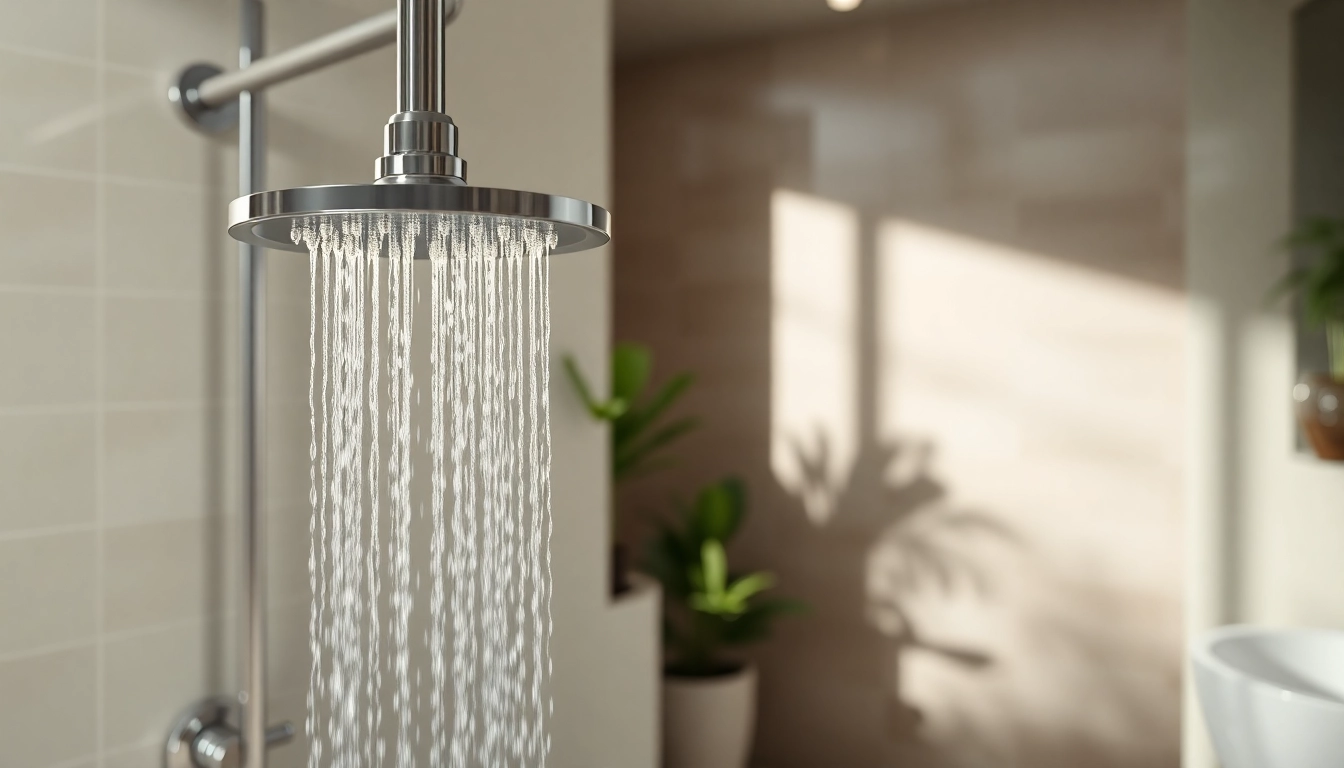

The Importance of Planning in Bath Reconstruction
Bath reconstruction is a detailed process that requires careful planning to ensure that the final outcome meets your aesthetic and functional expectations. From understanding user needs to budgeting effectively, each aspect plays a critical role in shaping your project. Proper planning not only minimizes unexpected costs but also enhances the overall functionality and appeal of the bathroom space. Every decision made during this stage sets the tone for the reconstruction process, making it essential to invest time into careful consideration. One great resource for detailed insights is bath reconstruction, offering practical tips for every step of the way.
Understanding User Needs
Understanding user needs is pivotal in bath reconstruction. This step involves gathering feedback from users—often family members or roommates—about what they want in the new space. Consider aspects like daily routines, accessibility, and personal preferences to ensure the bathroom is functional for everyone. Conduct surveys or informal discussions to collect insights; asking specific questions about preferred layouts, storage needs, and essential features can uncover vital information. Ultimately, prioritizing user needs will lead to a more satisfying and functional outcome for all involved.
Budgeting for Your Project
Effective budgeting is a cornerstone of any successful bath reconstruction project. Start by creating a detailed list of all the elements that will be included in the project, including materials, fixtures, labor costs, and contingency expenses for unexpected elements. It’s also wise to consider the financial scope of your project: What is your upper limit? Allocate funds carefully, ensuring that you have room for adjustments. Monitoring the budget throughout the project can help avoid overspending while allowing for a bit of flexibility if an unforeseen issue arises.
Choosing the Right Materials
The materials chosen for bath reconstruction significantly affect both aesthetics and functionality. From tiles to countertops, selecting high-quality materials can elevate the overall look while ensuring durability and ease of maintenance. It’s beneficial to research options that align with your budget and desired appearance. Furthermore, considering sustainable materials can enhance the environmental friendliness of your renovation. Whether it’s eco-friendly tiles, water-saving fixtures, or efficient lighting solutions, the right materials can contribute to a more resilient and sustainable bathroom environment.
Key Components of Bath Reconstruction
Essential Fixtures and Features
Among the most critical decisions to be made during bath reconstruction are the fixtures and features you will include. Essential fixtures typically encompass sinks, bathtubs, showers, and toilets. The choices you make can influence both the aesthetic appeal and functionality of the space. When selecting fixtures, consider their integration with the overall design theme of the bathroom, as well as their practicality. For example, opting for a wall-mounted faucet can enhance both style and accessibility, while a dual-flush toilet improves water efficiency.
Design Choices That Matter
Design choices play a substantial role in the success of your bath reconstruction. Whether you prefer a modern, minimalist look or a more traditional aesthetic, visual coherence is essential. Colors, materials, and patterns should work together harmoniously to create a welcoming atmosphere. Additionally, focus on the layout; a well-planned design will facilitate better movement and interaction within the space. Features like ambient lighting, mirrors, and storage solutions can also enhance the user experience, making each design choice a crucial consideration.
Innovative Storage Solutions
In many bathrooms, space is at a premium. Innovative storage solutions are essential to maximizing functionality without sacrificing style. This could include custom cabinetry, built-in shelves, or even under-sink storage solutions. Pocket doors, floating vanities, and multi-functional furniture can also help liberate floor space, creating an illusion of a larger area. Remember that effective storage not only helps keep the space organized but also contributes to the overall flow and ease of use of the bathroom.
Common Challenges in Bath Reconstruction
Navigating Plumbing Issues
Plumbing issues can pose significant challenges during bath reconstruction. Often, older plumbing systems can become outdated or damaged during renovations. It is crucial to assess the existing plumbing before starting the reconstruction; this may involve working with a plumber to identify potential pitfalls and necessary upgrades. Planning for such issues can reduce delays in the project timeline and avoid unexpected costs. Engaging professionals early in the process will provide you with a clearer understanding of what to expect.
Dealing with Space Limitations
Space limitations can greatly affect the design and functionality of the bathroom. In such situations, it’s important to be pragmatic and creative. Compact fixtures, as well as strategic placement of items, can maximize the space effectively. Consider using vertical storage solutions or mirror tile designs to create the illusion of a larger area. Consulting with a designer can provide new perspectives on how to transform limited square footage into a beautiful and functional bathing area.
Managing Renovation Timelines
Managing timelines accurately is crucial in any bath reconstruction project. Delays can occur due to numerous factors including availability of materials, labor shortages, and unforeseen complications like plumbing or electrical work. Establish a realistic timeline that incorporates these factors and include buffer time for unexpected delays. Regular communication with contractors and team members can help keep the project on track and minimize disruptions to your daily life during the reconstruction process.
Best Practices for a Successful Bath Reconstruction
Consulting with Professionals
Having the right professionals on your team can vastly increase the chances of success for your bath reconstruction project. Architects, interior designers, and licensed contractors bring invaluable expertise to the table. They can help with creating a functional design, navigating local building codes, and ensuring that the work is completed to a high standard. Do not hesitate to solicit multiple opinions or bids; this will provide you with diverse perspectives and potentially more cost-effective solutions.
Staying Up to Date with Trends
The world of bath design is constantly evolving, so staying updated with current trends can elevate your reconstruction project. Popular trends may include smart home technology, eco-friendly solutions, or modern aesthetics with a focus on minimalism. By embracing these trends, you can create a space that is not only functional but also stylish, ensuring that your bathroom remains a desirable area of your home for years to come.
Ensuring Compliance with Regulations
Compliance with local regulations and building codes is a vital aspect of bath reconstruction. Failure to adhere to these rules can result in fines or the necessity to redo work. Before beginning construction, familiarize yourself with the necessary permits and regulations in your area. Collaborating with experienced professionals who understand these requirements can alleviate some of the pressures associated with compliance, ensuring your project stays on the right path.
Measuring the Success of Your Bath Reconstruction
Assessing User Satisfaction
Post-reconstruction, it’s essential to assess user satisfaction to gauge the success of your project. This can be accomplished through surveys or informal discussions with household members. Ask specific questions to determine if the new design meets their needs and expectations. User satisfaction is a key indicator of whether your reconstruction efforts were effective and should be prioritized in future projects.
Calculating Return on Investment
Understanding the return on investment (ROI) for your bath reconstruction is critical, especially if you plan to sell your home in the future. Analyze the increase in property value against the total costs incurred during the renovation. Not all renovations yield high returns, but focusing on high-demand features and quality craftsmanship can significantly enhance overall value. Real estate professionals can often offer insights into the specific features that draw buyers’ attention in your area.
Gathering Post-Renovation Feedback
Feedback after completing a bath reconstruction can provide valuable insights into what worked well and what could be improved for future projects. Consider conducting monthly check-ins or informal feedback sessions with household members to discuss the functionality of the renovated space. Analyzing this feedback can refine your approach in upcoming projects, ensuring continuous improvement and satisfaction.
FAQs about Bath Reconstruction
What should I consider before starting a bath reconstruction?
Before starting, assess your needs, set a budget, choose materials, and plan the layout carefully. Understanding these parameters is key to a successful project.
How long does a typical bath reconstruction take?
Most bath reconstructions range from a few weeks to several months, depending on the scope, size, and complexity of the project involved.
Is it worth investing in eco-friendly materials?
Yes, investing in eco-friendly materials can save on long-term energy costs and appeal to environmentally conscious buyers if you sell your home.
Do I need a permit for bath reconstruction?
Often, yes. Permits are generally required for plumbing and electrical work, so check local regulations to ensure compliance during your renovation.
How can I maximize storage in a small bathroom?
Utilize vertical space, opt for multi-functional furniture, and consider built-in cabinetry to enhance storage capacity in a compact bathroom.