
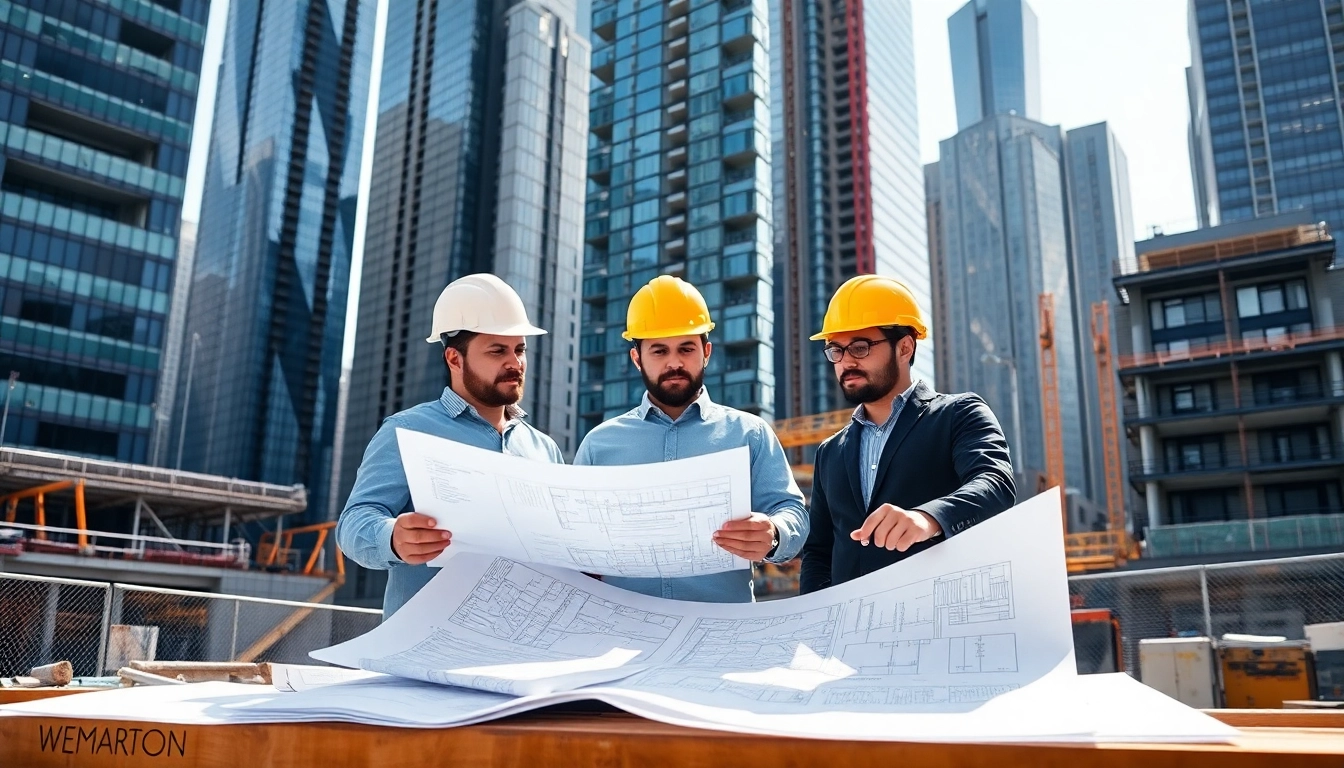
- Understanding the Role of a Manhattan Commercial General Contractor
- Essential Qualities of a Manhattan Commercial General Contractor
- Common Challenges Faced During Construction
- Best Practices for Hiring a Manhattan Commercial General Contractor
- FAQs About Choosing a Manhattan Commercial General Contractor
Understanding the Role of a Manhattan Commercial General Contractor
What is a Commercial General Contractor?
A commercial general contractor is a professional responsible for overseeing construction projects from inception to completion across various sectors such as retail, office buildings, and restaurants. They serve as the bridge between project owners and the myriad of subcontractors required to bring a vision to life. This role involves not only managing labor and materials but also ensuring that all aspects of the project adhere to legal standards and are completed within budget and timeframe constraints.
In the vibrant landscape of Manhattan, the role of a Manhattan Commercial General Contractor is especially critical due to the dense urban environment, regulatory challenges, and the unique design and structural requirements of buildings in the area.
Key Responsibilities in Construction Projects
The responsibilities of a commercial general contractor are extensive and include:
- Project Management: Organizing project timelines and workflow, ensuring deadlines are met.
- Budget Management: Estimating project costs, securing funding, and managing overall project spending.
- Compliance: Navigating local building codes, safety regulations, and permitting processes.
- Quality Control: Monitoring work performed by subcontractors to ensure high standards.
- Client Communication: Maintaining regular communication with clients to keep them informed of progress and changes.
The Importance of Hiring Local Experts
Hiring a Manhattan-based commercial general contractor offers several advantages. Their familiarity with local building codes, zoning laws, and environmental regulations can significantly streamline the construction process. Local contractors often have established relationships with city officials, which can facilitate quicker permit approvals and inspections. Moreover, their understanding of the local marketplace enables them to source materials efficiently and manage labor effectively, ultimately leading to project success.
Essential Qualities of a Manhattan Commercial General Contractor
Experience and Track Record in Similar Projects
A strong portfolio with proven experience in projects similar to yours is a hallmark of a competent Manhattan commercial general contractor. The complexity of New York City’s building landscape necessitates contractors who have navigated similar challenges successfully. Reviewing case studies, testimonials, and project portfolios can provide insight into the contractor’s ability to deliver results within specified criteria and constraints.
Effective Communication Skills
Communication is vital in construction projects, where clarity and precision are essential. A successful general contractor must be adept at conveying information and expectations to various stakeholders, including clients, subcontractors, and suppliers. They should also be approachable and responsive, fostering a collaborative environment where concerns can be addressed promptly. The ability to negotiate and resolve conflicts effectively is equally important in maintaining project harmony.
Adherence to Safety Standards
Safety is paramount in construction, particularly in a bustling urban environment like Manhattan. An effective general contractor must prioritize the health and safety of all workers on-site, ensuring compliance with OSHA standards and local regulations. This includes implementing safety training programs, maintaining safety equipment, and conducting regular safety assessments. A culture of safety not only protects workers but also mitigates risks and liabilities for the project owner.
Common Challenges Faced During Construction
Managing Budgets and Timelines
Construction projects often face budgetary and timeline challenges due to unforeseen expenses or delays. A skilled Manhattan commercial general contractor will have contingency plans in place, alongside budget tracking mechanisms that allow for flexibility without compromising project integrity. Effective project scheduling, including milestones and deadlines, helps ensure that all parties remain aligned with the project’s goals, reducing the likelihood of costly overruns.
Dealing with Regulatory Compliance
Compliance with local regulations can be a major hurdle in construction projects. Each phase, from groundbreaking to the final inspection, is subject to regulatory scrutiny. A general contractor must be well-versed in these requirements, ensuring that all permits are obtained and inspections are passed without issue. This knowledge not only expedites the building process but also safeguards against potential legal complications that can arise from neglected compliance.
Addressing Unforeseen Issues
Unforeseen issues such as poor weather, supply chain disruptions, or unexpected site conditions can derail projects. An effective general contractor will anticipate potential problems and develop proactive strategies to address them. This might include adaptive scheduling, sourcing alternative suppliers, or revising project plans. Flexibility and innovative problem-solving are essential traits that can make the difference between a successful project and one that languishes due to setbacks.
Best Practices for Hiring a Manhattan Commercial General Contractor
Researching Credentials and Reviews
Before hiring a general contractor, it is crucial to conduct thorough research. Check their credentials, including licensing, insurance, and bonding. Look for online reviews, ratings, and feedback from previous clients. Reliable contractors will typically have a history of successful projects and satisfied customers. Engaging with previous clients to gain insights about their experiences can also guide your decision.
Conducting Interviews and Evaluations
Once you have identified potential candidates, conducting interviews is the next step. Prepare specific questions that pertain to your project, such as their approach to project management, their experiences in handling similar projects, and how they handle challenges. During the interview, evaluate their communication style, professionalism, and assertiveness, as these are indicative of their fit for your project.
Narrowing Down Your Choices
After evaluating candidates, narrow down your options based on a combination of credentials, experience, and compatibility with your project vision. Request bids from your top choices, and compare these bids not only in terms of cost but also comprehensiveness. The lowest bid isn’t always the best choice; quality of work and reliability often carry more weight in long-term project success.
FAQs About Choosing a Manhattan Commercial General Contractor
What factors should influence my choice?
Key factors to consider include experience with similar projects, credentials, cost estimates, and client testimonials. Assessing communication styles and project management capabilities is also important.
How important is local experience?
Local experience is crucial due to specific regulations, building codes, and logistics in Manhattan. A local contractor can navigate these effectively, which can save time and reduce potential roadblocks.
What should I ask during the interview?
During the interview, ask about their experience with similar projects, approach to project management, safety measures, and how they handle unforeseen challenges and delays.
How do I check a contractor’s credentials?
Verify credentials by checking their license, insurance, bonding, and references. Online platforms can provide reviews and ratings, while previous client testimonials offer insights into their reliability and performance.
What can I do if there are project delays?
If you face delays, communicate openly with your contractor to understand the reasons. Together, you can develop solutions such as adjusted timelines or reallocating resources to keep the project on track.