
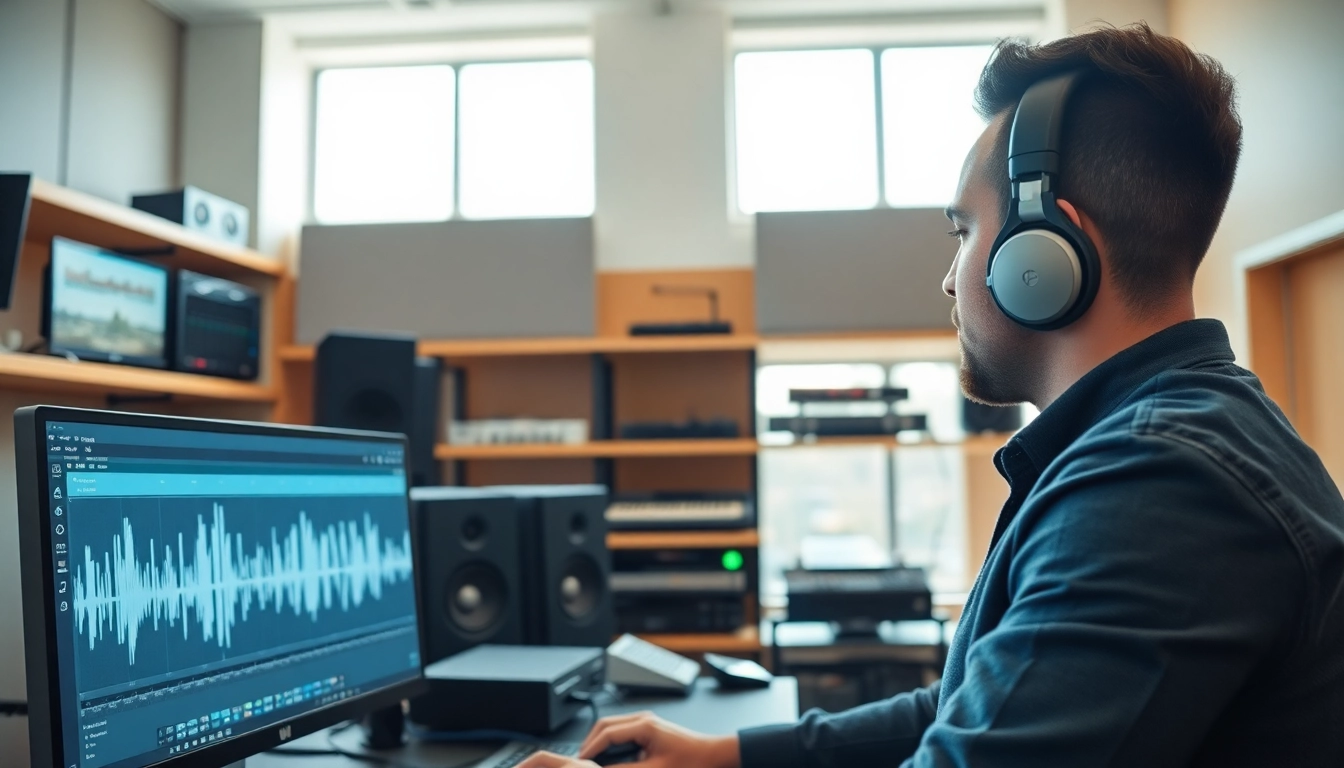
Understanding Online Mastering
What is Online Mastering?
Online mastering is the process of preparing a track for distribution by optimizing sound quality through digital platforms. This modern approach leverages technology to ensure that audio files are refined and polished without necessitating a physical studio. By utilizing advanced algorithms and professional-grade software, musicians can achieve a high-quality master ready for streaming, downloads, or physical media. With the convenience of online mastering, musicians can work from anywhere in the world while benefiting from expert services and tools tailored to their sound.
The Process of Online Mastering
The process of online mastering can be broken into several key phases:
- Upload Your Track: The initial step involves uploading the raw audio file to the mastering platform. Formats accepted usually include WAV and AIFF for optimal quality.
- Choose a Service Level: Many platforms offer various levels of mastering, from automated services using AI to full attention from a professional audio engineer.
- Session Details: During this phase, artists may specify genre, tonal preferences, and existing references to guide mastering decisions.
- Processing: The mastering process starts, involving equalization, compression, limiting, and other enhancements that create a polished product.
- Download and Review: Once mastered, a preview is available for the artist to evaluate the final product before approving the audio for release.
Benefits of Online Mastering for Musicians
Online mastering offers myriad benefits for modern musicians, including:
- Cost-Effective: With less overhead compared to traditional studio setups, online mastering services often provide affordable packages suited to varying budgets.
- Accessibility: Artists can access professional mastering services from anywhere, catering to those who may not have local options.
- Speed: Many services promise quick turnaround times, allowing for rapid production cycles.
- Quality Consistency: Professional mastering engineers have experience across genres, bringing consistency and quality that can elevate a project’s audio experience.
Choosing the Right Online Mastering Service
Key Features to Look For
When selecting an online mastering service, it’s crucial to consider several features to ensure the best fit for your needs:
- Supported File Formats: Check that the service supports the audio formats you use.
- Quality Assurance: Look for platforms that guarantee quality checks, especially if using automated services.
- Customization Options: Certain providers allow artists to communicate specific preferences, enhancing the final output.
- Sample Works: Reviewing past projects can help you gauge the service’s expertise and competence in your genre.
- Customer Support: Responsive customer support can make the mastering process smoother and address concerns promptly.
Comparing Pricing Models
Pricing for online mastering services can vary broadly, often influenced by the level of service provided:
- Automated Services: Typically cost-effective and suitable for quick projects.
- Engineer Mastering: More personalized and likely pricier, continuously ensuring a tailored approach to each track.
- Subscription Models: Some platforms offer monthly packages, which might be beneficial for prolific artists.
- Pay-Per-Track: Ideal for artists releasing singles infrequently, allowing payment only when needed.
User Reviews and Recommendations
User reviews can provide invaluable insights when choosing an online mastering service. Look for platforms with a strong history of customer satisfaction. Pay attention to:
- Specific positive experiences regarding communication and turnaround times.
- Constructive criticism highlighting areas for improvement.
- Recommendations from artists within your genre for more tailored insights.
Techniques Used in Online Mastering
Mastering for Different Genres
Different genres of music require unique mastering techniques to ensure the best possible sound quality. For example:
- Pop: A focus on maximizing loudness and clarity is essential for mainstream appeal.
- Rock: The dynamics might be more prominent, necessitating careful balance between aggressive elements and entire compositions.
- Jazz: A warmer, more natural sound is often favored, emphasizing subtle nuances without overt compression.
- Electronic: Crisp highs and powerful lows are crucial, requiring adept equalization to manage bass effectively.
Common Tools and Software Used
The field of online mastering extensively employs a variety of tools and software, including:
- Equalizers: For adjusting frequency balance and tone.
- Compressors: To manage dynamic range and enhance loudness.
- Limiters: Essential for ensuring tracks don’t clip by controlling peaks.
- Analyzers: Visualizing the frequency spectrum for informed decision-making.
Achieving a Polished Sound
Achieving a polished sound involves balancing the technical and artistic elements of mastering. Here are some key tips:
- Listen on Multiple Systems: Ensure your mastered track sounds good on various playback systems—headphones, speakers, and mobile devices.
- Reference Tracks: Use commercial hits in your genre as benchmarks to guide your mastering decisions.
- A/B Testing: Compare your mastered track against both original and reference tracks to evaluate improvements and adjustments.
- Rest Your Ears: Periodic breaks can help each listening session to remain objective and prevent fatigue.
Challenges in Online Mastering
Common Mistakes to Avoid
As beneficial as online mastering can be, several pitfalls can affect results, including:
- Over-Compression: Too much compression can lead to loss of dynamic range, making music sound lifeless.
- Ignoring Genre Standards: Each genre has expectations for mastering; failing to adhere can detract from the track’s impact.
- Skipping the Listening Test: Failing to listen to masters on different systems can overshadow quality flaws.
Maintaining Quality Across Platforms
Tracks must maintain quality when played across various platforms, including streaming services, radio, and physical media. Strategies include:
- Understanding the specific loudness standards of platforms like Spotify or Apple Music.
- Testing tracks on both high-fidelity and standard playback devices to assess how they translate.
- Utilizing format converters carefully to ensure your tracks keep their integrity during file conversions.
Working with Diverse Audio Sources
Artists often work with audio sourced from different recording environments, which can present challenges. Tips for addressing this include:
- Standardization: Strive for consistency in your sources before mastering, adjusting levels to maintain balanced dynamics.
- Analyzing Frequencies: Ensure that various recorded elements harmonize well, addressing any unwanted noise or interference.
- Maintain the Original Character: While unifying the sound, it’s crucial to retain the unique qualities of each recorded element.
Measuring Success in Online Mastering
Understanding Loudness and Dynamics
Loudness is a key element in mastering, and it affects how tracks are perceived. Successful mastering requires understanding integrated loudness, short-term loudness, and dynamic range. Popular metrics include:
- Lufs: A unit measuring perceived loudness, essential for how tracks compete on streaming platforms.
- Dynamic Range: Keeping an appropriate difference between the quietest and loudest parts to ensure emotional impact.
Evaluating Mastering Samples
To assess mastering success, musicians often need to evaluate samples critically. Consider the following criteria:
- Frequency Balance: Ensure all frequency ranges are adequately represented without overwhelming others.
- Clarity: A polished master must have clarity in each element and ensure nothing gets lost in the mix.
- Emotional Impact: The mastered track should evoke the intended emotional response from listeners.
Feedback and Iteration Process
The feedback and iteration process is vital for refining your master. Engage others—be it trusted industry peers or audience feedback—for critical insights. Consider factors such as:
- Clarity of Communication: Provide clear instructions on any changes you want based on feedback.
- Open-Mindedness: Be ready to rework your tracks based on constructive criticism.
- Licensing Considerations: Ensure that the feedback and changes remain within the terms of distribution rights.
Frequently Asked Questions
What is the difference between mixing and mastering?
Mixing involves combining and editing audio tracks before they are finalized, while mastering is the final step that prepares the completed mix for distribution, ensuring overall sound quality and consistency.
Can I master my own tracks online?
Yes, many platforms offer automated mastering services that allow you to upload and process your own tracks, providing instant feedback.
How long does online mastering take?
The turnaround for online mastering can vary, typically ranging from a few hours to several days, depending on the service level chosen.
Why is online mastering important for streaming?
Online mastering ensures that tracks meet the loudness and quality standards set by streaming platforms, aiding in listener retention and overall experience.
Are there any risks to using automated online mastering?
While convenient, automated mastering may lack the nuanced touch of a professional engineer, possibly compromising audio quality for complex tracks.