
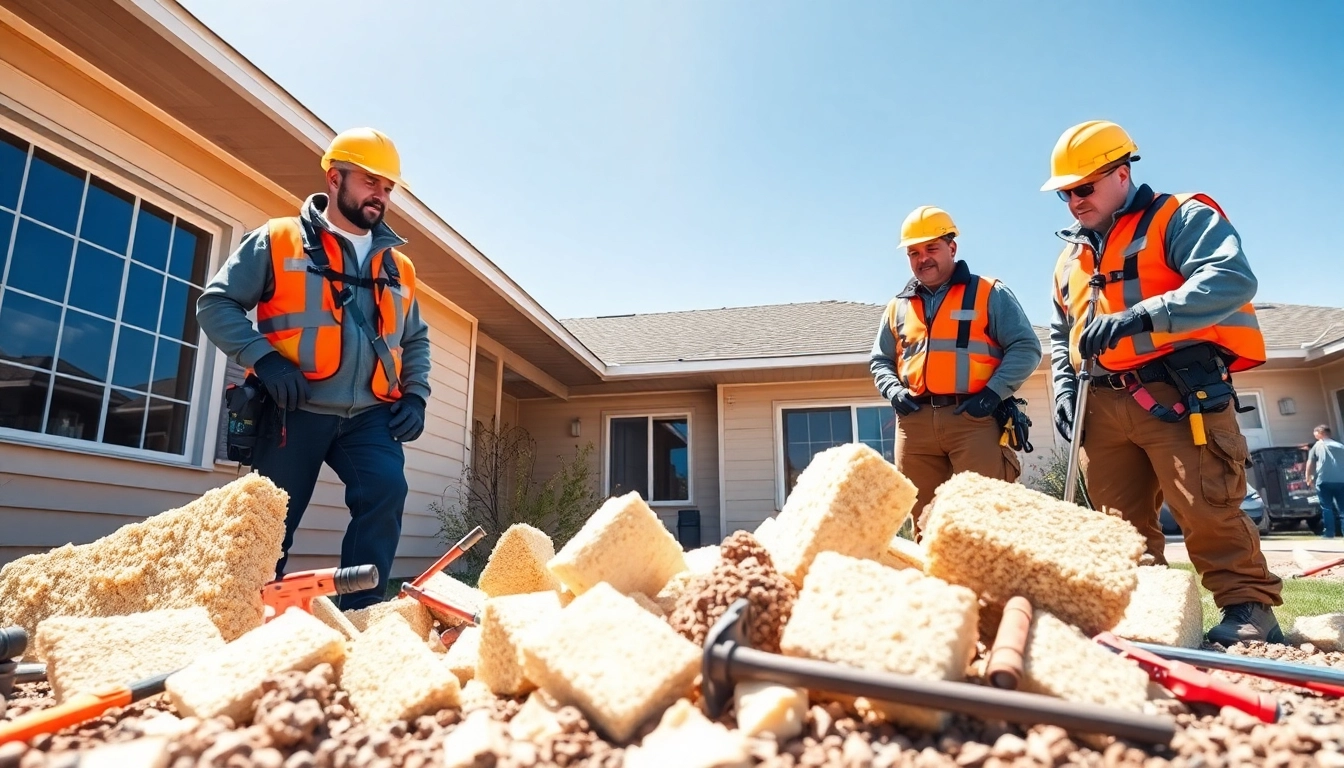
Understanding Spray Foam Removal
What is Spray Foam?
Spray foam, a versatile insulation material, is created through a chemical reaction between two components: isocyanate and polyol resin. When combined, they rapidly expand and harden, providing excellent thermal insulation and air sealing properties. This material is often used in residential and commercial construction due to its ability to conform to various shapes and fill gaps, providing an airtight barrier that enhances energy efficiency. However, despite its benefits, certain situations necessitate the removal of spray foam.
Common Reasons for Removal
There are numerous reasons why homeowners and property managers may seek out spray foam removal specialists. These include:
- Improper Application: If spray foam insulation is not applied correctly, it can lead to issues such as insufficient sealing or expansion, resulting in energy loss.
- Damage or Deterioration: Over time, spray foam can degrade due to moisture, mold, or pests, necessitating its removal to prevent health risks.
- Renovations or Modifications: Home improvements or structural changes may require the removal of existing spray foam insulation.
- Health Concerns: In some cases, the chemicals in spray foam can off-gas, leading to indoor air quality concerns. Removal might be needed for safety.
The Importance of Professional Help
Removing spray foam insulation can be a challenging process that requires expertise and specialized equipment. Professional spray foam removal specialists have the knowledge necessary to assess the situation accurately, choose appropriate removal methods, and execute the task safely. Attempting to do it yourself may not only lead to ineffective removal but can also pose health risks and damage to the property.
Methods Used by Spray Foam Removal Specialists
Mechanical vs. Chemical Removal
There are primarily two methods for removing spray foam: mechanical removal and chemical removal.
- Mechanical Removal: This method involves physical tools such as scrapers, saws, and grinders to remove the foam. It is highly effective for removing larger sections of foam but requires significant labor and time.
- Chemical Removal: Chemical agents can be applied to loosen the spray foam material, allowing it to be wiped away more easily. This method can be less labor-intensive but may involve hazardous materials that require strict safety protocols.
Step-by-Step Process
The removal process typically involves several stages to ensure a safe and effective outcome:
- Inspection: A thorough inspection of the insulation to assess its condition and the best removal method.
- Preparation: Setting up protective barriers, covering surfaces to prevent damage, and ensuring proper ventilation.
- Removal: Depending on the method chosen, either mechanical tools or chemical agents are employed to eliminate the spray foam.
- Cleanup: Proper disposal of removed materials and cleaning the area to prepare it for any future work.
- Inspection: An inspection of the area post-removal ensures no remnants remain, and the space is ready for new insulation or renovation.
Choosing the Right Method
The choice between mechanical and chemical removal often depends on the scope of the project, the condition of the foam, and the specific requirements of your space. Consulting with professional spray foam removal specialists can provide insights into the most effective method based on your particular scenario, ensuring a timely and efficient removal process.
Preparing for Foam Removal
Assessing the Area
Before any removal can take place, a proper assessment of the area is essential. Specialists will examine the foam’s extent, the surfaces it adheres to, and any potential underlying issues like mold growth or structural damage. This assessment helps strategize the removal plan effectively.
Protective Gear and Precautions
Safety is paramount during the removal process. Specialists typically don protective gear, which may include gloves, goggles, masks, and protective clothing to shield themselves from harmful chemicals and dust particles. Ensuring that the area is well-ventilated and free from unnecessary personnel is also critical to maintaining safety.
Timing and Weather Considerations
Environmental factors can influence the removal process. For example, extreme temperatures or humidity levels may affect chemical efficacy and foam behavior. Scheduling the removal during favorable weather conditions can ensure the chosen method operates optimally, reducing risks and promoting effectiveness.
Post-Removal Practices
Cleaning Up Residue
Once the foam has been removed, it’s important to clean the area thoroughly to eliminate any remaining residues. This may involve additional cleaning agents or methods to ensure that surfaces are free from contaminants that could interfere with new insulation or renovations.
Inspecting the Work Area
After cleanup, a careful inspection of the workspace is vital. This ensures that all foam has been removed, and any underlying damage such as mold or structural issues has been addressed before proceeding with renovations or re-insulation.
Preventing Future Foam Issues
To circumvent future insulation problems, it’s wise to assess the existing home structure, ventilation systems, and potential areas of moisture infiltration. Implementing strategies such as enhanced ventilation, moisture barriers, and routine inspections can help maintain a healthy environment and minimize the risk of needing spray foam removal in the future.
FAQs About Spray Foam Removal Specialists
How long does spray foam removal take?
The duration for spray foam removal can vary based on the area size and foam condition, but it typically ranges from a few hours to several days.
Is spray foam removal safe for my home?
Yes, when performed by trained professionals, spray foam removal is safe. They use protective gear and follow strict safety protocols to minimize risks.
What do I need to do before removal?
Before removal, clear the area of furniture and belongings, ensure proper ventilation, and discuss any necessary precautions with the removal team.
Can I remove spray foam myself?
While DIY removal is possible, it is not recommended due to safety risks and the complexity of the task. Hiring specialists is advisable.
What costs can I expect for removal services?
Removal service costs can vary significantly based on the project’s size and complexity. It’s best to get a quote from a specialist for accurate pricing.