
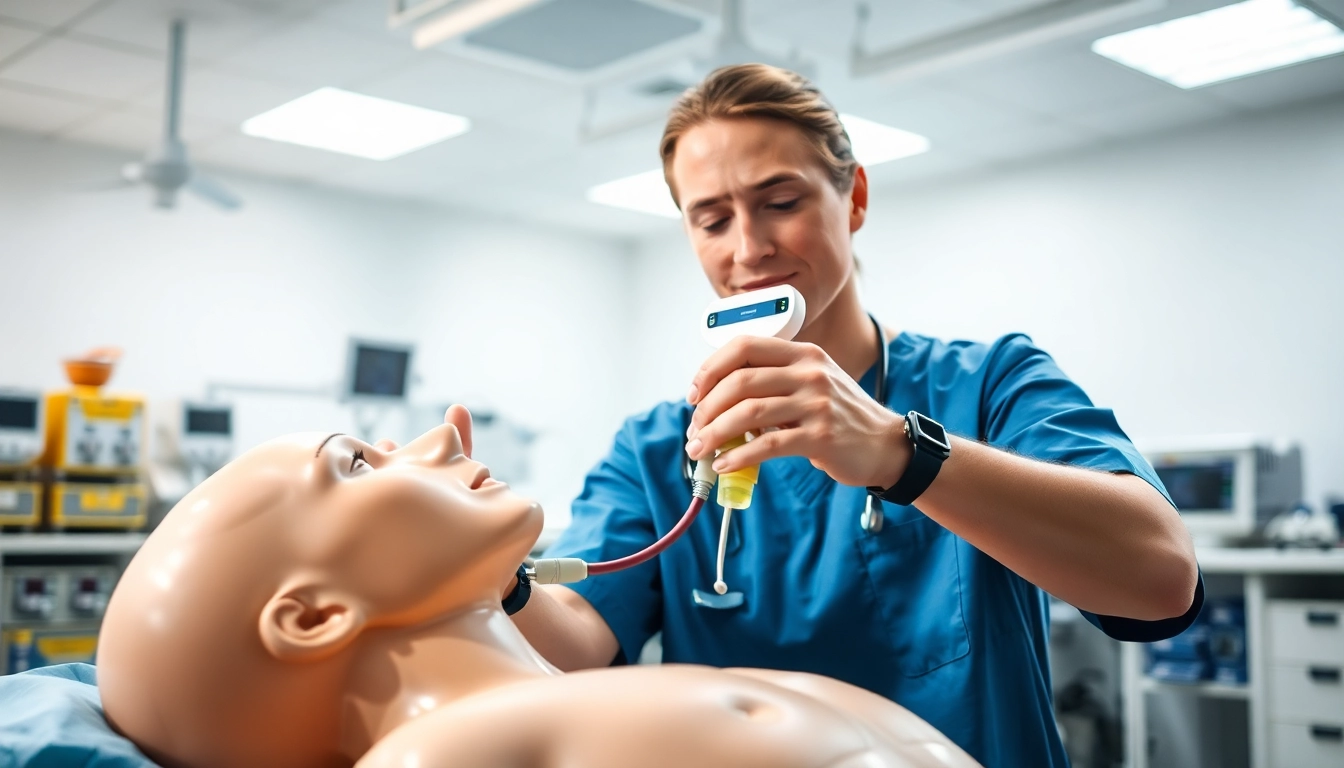
Understanding Choking Emergencies
What is Choking?
Choking occurs when an object, often food, becomes lodged in the throat or windpipe, preventing airflow. This blockage can lead to suffocation if not addressed promptly. Understanding the mechanics behind choking is essential, as even a few moments can be the difference between life and death. It’s a common emergency situation that can occur in various environments, from homes to restaurants and schools. Awareness is the first step in prevention and response.
Common Causes of Choking
Choking can stem from various causes, including:
- Food: Hard candies, meat, and nuts are frequent culprits, especially among children.
- Toys: Small parts of toys can be easily swallowed.
- Medical Conditions: Certain health issues may affect swallowing ability, increasing the risk of choking.
- Alcohol Consumption: Intoxication can impair swallowing reflexes, raising choking incidents.
Understanding these causes can help mitigate risks and prepare individuals for emergencies.
Signs and Symptoms of Choking
Recognizing the signs of choking is critical for a timely response. These include:
- Inability to speak or cry: A person choking may be unable to vocalize.
- Hand signals: Choking individuals may grasp their throat, signaling distress.
- Panic and distress: Their face may become red or ashen.
- Weak cough or no sound: Coughing is the body’s attempt to clear the blockage.
Recognizing these symptoms allows for rapid intervention to prevent severe consequences.
Introducing the Choking Rescue Device
What is a Choking Rescue Device?
A choking rescue device is a specialized apparatus designed to assist in clearing airways when traditional methods may not be sufficient. These devices can be crucial in emergencies, offering a safe and effective option for both trained professionals and bystanders. In a choking situation, the proper use of these devices helps maintain a clear airway until professional medical help arrives.
Types of Choking Rescue Devices
Various choking rescue devices are available, each designed for specific scenarios and user requirements:
- Manual Suction Devices: These allow the rescuer to create suction to remove obstructions.
- Automated Devices: Some modern devices feature automatic mechanisms that initiate the rescue process with minimal user input.
- Consumer-Friendly Devices: Designed for laypersons, these devices often come with easy-to-follow instructions and intuitive designs.
Choosing the right device based on the user’s environment and experience is vital for effective emergency response.
How Does a Choking Rescue Device Work?
Choking rescue devices function by creating a controlled environment for dislodging obstructions, typically using suction or mechanical assistance. The device is applied to the person’s chest or abdomen, delivering a burst of force that aims to dislodge the blockage safely. Some devices may also include features like an alert system to notify others in case of an emergency, enhancing the overall effectiveness.
Step-by-Step Guide to Using the Choking Rescue Device
Preparing to Use the Device
Before employing a choking rescue device, it’s crucial to assess the situation. Ensure you have the device ready and, if possible, familiarize yourself with its operation through instructional materials. If the individual is conscious, encourage them to cough forcefully to attempt to clear the airway themselves.
Administering First Aid with the Device
If the individual continues to choke:
- Position them appropriately based on the device’s instructions.
- Activate the device according to its manual, ensuring it is securely placed.
- Monitor their condition closely during the process. If they become unconscious, initiate CPR immediately.
Familiarity with these steps is essential in ensuring quick response and effective aid in emergency situations.
Post-Emergency Care and Assessment
After using the choking rescue device, it’s vital to conduct a thorough assessment of the individual’s condition. Check for breathing, responsiveness, and any signs of distress. Even if the object appears to be dislodged, seeking medical attention is crucial, as complications such as internal injuries may arise.
Best Practices for Effective Choking Rescue
Training and Education
Regular training on the use of choking rescue devices is essential for anyone likely to respond to emergencies. Many organizations offer courses on first aid and choking response, which emphasize hands-on practice with choking rescue devices. Continuous education helps maintain a high level of preparedness.
Regularly Reviewing Choking Procedures
It’s important to familiarize yourself regularly with choking response procedures. Revisit the guidelines and refresh your memory on how to utilize the choking rescue device effectively. Conduct regular drills in homes, schools, and workplaces to ensure that everyone knows what to do in case of a choking incident.
Keeping Your Choking Rescue Device Accessible
Accessibility can be a matter of life and death. Store choking rescue devices in easily accessible locations, such as kitchens, restaurants, or daycare centers. Make sure everyone knows where the devices are kept and how to use them, enhancing their readiness to respond to choking emergencies.
FAQs About the Choking Rescue Device
What should I do if I see someone choking?
If you see someone choking, call for help immediately, and if trained, begin using a choking rescue device while encouraging them to cough.
Can children use a choking rescue device?
Yes, there are choking rescue devices specifically designed for children that consider their size and strength differences.
How often should I practice using a choking rescue device?
Practicing quarterly is recommended, ensuring familiarity and comfort with the device in emergencies.
Are choking rescue devices safe?
When used correctly, choking rescue devices are safe and effective. It’s important to follow all manufacturer’s instructions and guidelines.
Where can I purchase a choking rescue device?
You can find choking rescue devices through medical supply stores or online platforms specializing in emergency and safety equipment, such as choking rescue device.