
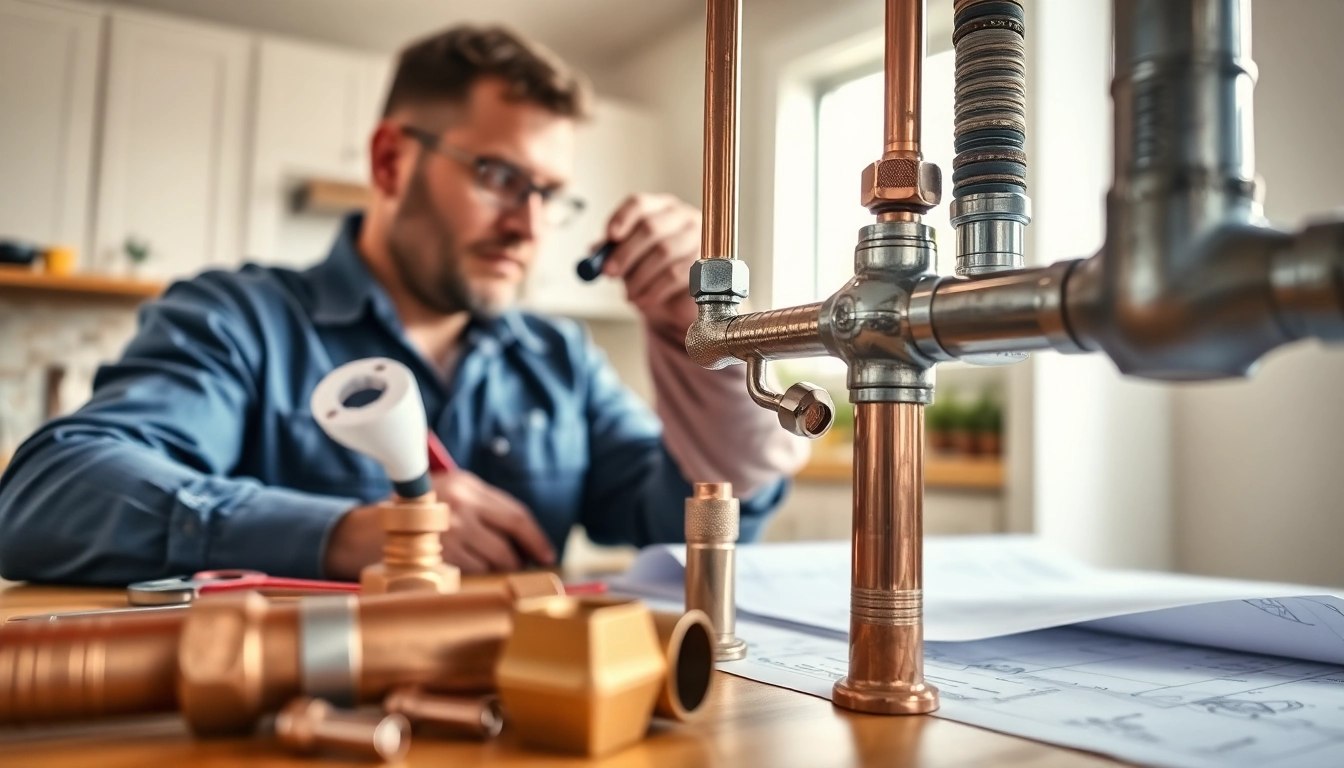
Understanding Whole House Repiping Services St Petersburg FL
Repiping an entire house can seem like a daunting task for homeowners, but it is often essential for maintaining a safe and efficient plumbing system. In St. Petersburg, FL, where older homes are abundant, understanding the need for whole house repiping services St Petersburg FL can save homeowners from significant inconveniences and expenses down the road.
What is Whole House Repiping?
Whole house repiping involves replacing all the plumbing pipes within a home. This process is necessary when existing pipes are outdated, deteriorating, or pose health risks due to materials like lead or corroded metals. The focus is on ensuring the system can adequately deliver water and handle waste without leaks, clogs, or other issues. It offers a comprehensive solution rather than patching individual problems, effectively revitalizing the plumbing infrastructure of the home.
Signs You Need Repiping Services
Several telltale indicators suggest that a whole house repiping may be necessary:
1. Frequent Leaks: If you notice multiple leaks for various reasons, including old age of pipes, it may be time to consider repiping.
2. Discolored Water: Brown or rusty water can indicate corroded pipes, which are no longer safe for use.
3. Low Water Pressure: This can point to blockage or deterioration within the pipes.
4. High Water Bills: Unexpected increases in water bills often signal leaks or inefficiencies within the plumbing.
5. Older Home: Homes built before the 1970s may still have outdated materials like galvanized steel, which are prone to rust and failure.
Recognizing these signs early can help mitigate larger issues and prevent higher repair costs.
Benefits of Professional Repiping
Investing in professional repiping services offers numerous advantages:
– Enhanced Water Quality: New pipes ensure clean drinking water free of contaminants.
– Increased Home Value: A repiped home is more attractive to buyers, making it a solid investment for the future.
– Reduced Need for Repairs: New piping can significantly decrease the frequency and costs associated with repairs.
– Improved Efficiency: Modern pipes can enhance water flow, leading to better performance across plumbing systems.
Overall, professional repiping services can save both time and money while providing peace of mind.
Choosing the Right Materials for Repiping
When it comes to repiping, choosing the right materials is crucial for the longevity and performance of your plumbing system.
Types of Pipes Used in Repiping
The main types of piping materials currently used in repiping projects include:
1. Copper: Known for its durability and resistance to corrosion, copper is a long-standing favorite for plumbing.
2. PEX (Cross-Linked Polyethylene): A newer option that is flexible, resistant to scale and chlorine, and less prone to bursting.
3. CPVC (Chlorinated Polyvinyl Chloride): A cost-effective option suitable for cold and hot water systems.
4. PVC (Polyvinyl Chloride): Often used for drain, waste, and vent pipes due to its lightweight and resistance to rust.
Selecting the right material often depends on the specific needs of the home and budget considerations.
Comparing Copper and PEX Pipes
Choosing between copper and PEX pipes can significantly affect your repiping project.
– Cost: Generally, PEX is more affordable than copper, not just in material costs but also in labor since it is easier to install.
– Durability: Copper is celebrated for its longevity and resistance to extreme conditions. However, PEX is gaining traction due to its flexibility, which often withstands environmental changes better.
– Application: Copper is ideal for outdoor applications or visible installations while PEX is better suited for indoor environments where flexibility is beneficial.
Homeowners need to consider both their instant needs and long-term objectives when making this important choice.
Cost Considerations for Pipe Materials
Investing in repiping varies based on the chosen materials. Below are some average costs:
– Copper Pipe: $2.50 to $5.00 per linear foot depending on the diameter and quality.
– PEX Pipe: $0.50 to $2.00 per linear foot, making it a budget-friendly alternative.
– CPVC Pipe: Approximately $0.75 to $1.50 per linear foot.
– Labor Costs: Installation labor typically ranges from $45 to $150 per hour based on the complexity of the job.
These costs can add up quickly, so homeowners should weigh their options carefully and seek multiple estimates before deciding.
The Whole House Repiping Process Explained
Understanding the steps involved in whole house repiping can ease the concerns of any homeowner.
Step-by-Step Overview of Repiping
1. Assessment: A professional plumber examines the current plumbing system and identifies necessary upgrades.
2. Planning: A repiping plan is created, outlining the specific materials and schedule.
3. Preparation: Homeowners may need to clear areas around their plumbing for accessibility.
4. Installation: The old pipes are removed, and new ones are installed according to the planned layout.
5. Final Inspection: Once the new system is in place, thorough checks ensure everything works as intended.
By understanding these steps, homeowners can feel more at ease during the repiping process.
Timeframe for Completion
The duration of a repiping project generally depends on the size and complexity of the home. On average:
– Single-Story Homes: These projects can typically be completed in one to two days.
– Multilevel Homes: More extensive repiping jobs may take three to five days.
During the assessment phase, plumbers can provide a more specific estimate based on individual circumstances.
Preparing Your Home for Repiping
Adequate preparation is vital for a smooth repiping project. Here are some steps to follow:
1. Clear Access Areas: Move furniture and personal belongings away from plumbing areas to prevent damage.
2. Designate a Temporary Water Source: Homeowners should identify where they will source water during the repiping.
3. Communicate with Family Members: Inform everyone in the home about the schedule and any changes in water accessibility.
Being proactive in these preparations can significantly enhance the quality of the repiping process.
Finding Qualified Repiping Services in St Petersburg FL
Navigating the options for plumbing services can feel overwhelming. Here are some essential pointers to facilitate the search for repiping professionals.
Key Qualifications to Look For
1. Licensing and Insurance: Always verify that the service provider has the necessary licenses and insurance coverage.
2. Experience: Look for companies that specialize in repiping services and have a solid background in the field.
3. Certifications: Check for relevant certifications that indicate advanced training and quality service.
Quality workmanship often resides with experienced professionals who are dedicated to maintaining high standards.
Importance of Customer Reviews
Customer feedback offers valuable insights into the reliability and quality of plumbing services. Homeowners should:
– Research Online Reviews: Platforms like Google and Yelp are invaluable for assessing overall customer satisfaction.
– Seek Recommendations: Word-of-mouth referrals from friends and family often lead to excellent results.
– Ask for References: Reputable plumbing companies should provide references from previous clients.
Considering customer reviews can assist in making informed decisions and avoiding potential pitfalls.
How to Get Accurate Estimates
Obtaining an accurate estimate is crucial for budget planning. Here are steps to ensure effectiveness:
1. Schedule Multiple Assessments: Allow various contractors to evaluate the plumbing to capture a wider range of estimates.
2. Request Detailed Quotes: Ensure estimates outline all materials and labor costs clearly.
3. Discuss Additional Services: Inquire about warranties, potential contingencies, and other service packages that may be available.
Taking these steps can result in a thorough understanding of expected costs and better planning for the overall project.
Frequently Asked Questions About Whole House Repiping
How long does repiping take?
The duration typically ranges from one to three days, depending on the home’s size and complexity.
What are the signs of failing pipes?
Common indicators include leaks, discolored water, frequent clogs, and low water pressure.
Is repiping worth the cost?
Yes, it often enhances the home’s value, improves water quality, and prevents future plumbing issues.
Can I stay in my home during repiping?
In many cases, yes, but some disruptions may occur. It’s best to discuss arrangements with your plumber.
What warranties are offered for repiping services?
Reputable services usually provide warranties on materials and labor, giving peace of mind post-repair.